Japanify

Lesson 7: Giving and Receiving

Learn to express giving, receiving, and borrowing actions in Japanese.

This lesson focuses on the verbs for giving, receiving, borrowing, and lending, along with common everyday objects. You will learn how to describe transactions, exchanges, and the transfer of items between people using the appropriate verbs and particles.
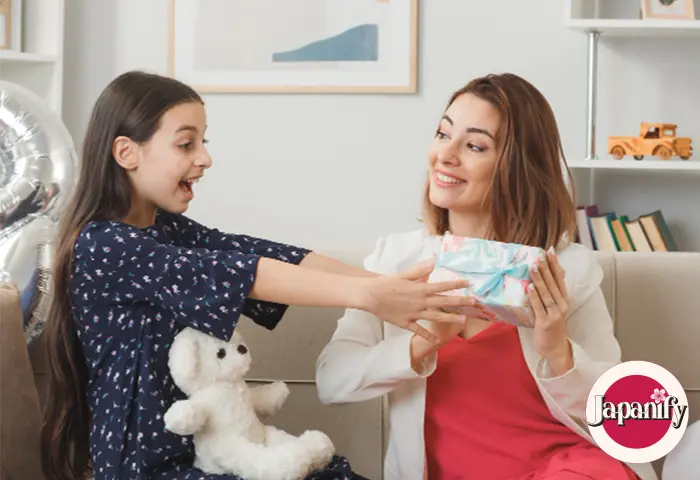
Lesson 7: Giving and Receiving image

Key topics:

  • ・Giving and receiving verbs (あげます、もらいます)
  • ・Borrowing and lending (かします、かります)
  • ・Everyday objects and tools
  • ・Family terms (ちち、はは、おとうさん、おかあさん)
  • ・Time expressions (もう、まだ、これから)
  • ・Expressions for daily transactions
  • ・Particle usage with giving/receiving verbs

Vocabulary

1
きります
kirimasu
切きります
cut, slice
Example
かみをきります.
Kami o kirimasu.
I cut paper.
2
おくります
okurimasu
送おくります
send
Example
にもつをおくります.
Nimotsu o okurimasu.
I send a package.
3
あげます
agemasu
-
give
Example
ははにはなをあげます.
Haha ni hana o agemasu.
I give flowers to my mother.
4
もらいます
moraimasu
-
receive
Example
ともだちにプレゼントをもらいます.
Tomodachi ni purezento o moraimasu.
I receive a present from my friend.
5
かします
kashimasu
貸かします
lend
Example
がくせいにおかねをかします.
Gakusei ni okane o kashimasu.
I lend money to the student.
6
かります
karimasu
借かります
borrow
Example
としょかんにほんをかります.
Toshokan ni hon o karimasu.
I borrow a book from the library.
7
おしえます
oshiemasu
教おしえます
teach
Example
日本にっぽん語ごをおしえます.
Nihongo o oshiemasu.
I teach Japanese.
8
ならいます
naraimasu
習ならいます
learn
Example
日本にっぽん語ごをならいます.
Nihongo o naraimasu.
I learn Japanese.
9
でんわをかけます
denwa o kakemasu
-
make a telephone call
Example
ははにでんわをかけます.
Haha ni denwa o kakemasu.
I make a phone call to my mother.
10
て
te
手て
hand
Example
てをあらいます.
Te o araimasu.
I wash my hands.
11
はし
hashi
-
chopsticks
Example
はしを ください.
Hashi o kudasai.
Please give me chopsticks.
12
スプーン
supūn
-
spoon
Example
スプーンを下ください.
Supuun o kudasai.
A spoon, please.
13
ナイフ
naifu
-
knife
Example
ナイフでりんごをきります.
Naifu de ringo o kirimasu.
I cut an apple with a knife.
14
フォーク
fōku
-
fork
Example
フォークと ないふが いります.
Fooku to naifu ga irimasu.
I need a fork and knife.
15
はさみ
hasami
-
scissor
Example
はさみでかみをきります.
Hasami de kami o kirimasu.
I cut paper with scissors.
16
ファックス
fakkusu
-
fax
Example
ファックスはじむしつにあります.
Fakkusu wa jimushitsu ni arimasu.
The fax machine is in the office.
17
ワープロ
wāpuro
-
word processor
Example
ワープロでてがみをかきます.
Wāpuro de tegami o kakimasu.
I write a letter with a word processor.
18
パンチ
panchi
-
punch
Example
パンチでかみにあなをあけます.
Panchi de kami ni ana o akemasu.
I make holes in paper with a punch.
19
ホチキス
hochikisu
-
stapler
Example
ホチキスを かしてください.
Hochikisu o kashite kudasai.
Please lend me the stapler.
20
セロテープ
serotēpu
-
scotch tape, clear adhesive tape
Example
セロテープでかみをはります.
Serotēpu de kami o harimasu.
I stick paper with scotch tape.
21
けしゴム
keshigomu
消けしゴム
eraser
Example
けしゴムでまちがえたところをけします.
Keshigomu de machigaeta tokoro o keshimasu.
I erase mistakes with an eraser.
22
かみ
kami
紙かみ
paper
Example
かみにえをかきます.
Kami ni e o kakimasu.
I draw a picture on paper.
23
はな
hana
花はな
flower, blossom
Example
はなをかんにさします.
Hana o kan ni sashimasu.
I put flowers in a vase.
24
シャツ
shatsu
-
shirt
Example
あたらしいシャツをかいました.
Atarashii shatsu o kaimashita.
I bought a new shirt.
25
プレゼント
purezento
-
present, gift
Example
たんじょうびにプレゼントをもらいました.
Tanjōbi ni purezento o moraimashita.
I received a present for my birthday.
26
にもつ
nimotsu
荷物にもつ
baggage, parcel
Example
にもつをくうこうにおくります.
Nimotsu o kūkō ni okurimasu.
I send baggage to the airport.
27
おかね
okane
お金かね
money
Example
おかねをぎんこうにおきます.
Okane o ginkō ni okimasu.
I put money in the bank.
28
きっぷ
kippu
切符きっぷ
ticket
Example
えいがの チケットをかいました.
Eiga no chiketto o kaimashita.
I bought movie tickets.
29
クリスマス
kurisumasu
-
Christmas
Example
クリスマスにプレゼントをあげます.
Kurisumasu ni purezento o agemasu.
I give presents at Christmas.
30
ちち
chichi
父ちち
my father
Example
ちちはしんぶんをよみます.
Chichi wa shinbun o yomimasu.
My father reads the newspaper.
31
はは
haha
母はは
my mother
Example
はははりょうりがじょうずです.
Haha wa ryōri ga jōzu desu.
My mother is good at cooking.
32
おとうさん
otōsan
お父とうさん
someone else
Example
たなかさんのおとうさんはせんせいです.
Tanaka-san no otōsan wa sensei desu.
Tanaka
33
おかあさん
okāsan
お母かあさん
someone else
Example
すずきさんのおかあさんはびょういんではたらいています.
Suzuki-san no okāsan wa byōin de hataraite imasu.
Suzuki
34
もう
mō
-
already
Example
しゅくだいはもうおわりました.
Shukudai wa mō owarimashita.
I have already finished my homework.
35
まだ
mada
-
not yet, still
Example
まだしごとがおわりません.
Mada shigoto ga owarimasen.
Work is not yet finished.
36
これから
korekara
-
from now on, soon
Example
これからべんきょうします.
Korekara benkyō shimasu.
I will study from now on.
37
すてきですね
suteki desu ne
-
What a nice __
Example
そのシャツ、すてきですね.
Sono shatsu, suteki desu ne.
That shirt is very nice!

Conversation

1
ごめんください
gomen kudasai
Excuse me / May I come in?
Example Usage
ごめんください.
Gomen kudasai.
Excuse me / May I come in?
2
いらっしゃい
irasshai
Welcome (informal/casual)
Example Usage
いらっしゃい、どうぞ.
Irasshai, douzo.
Welcome, please come in.
3
どうぞおあがりください
douzo oagari kudasai
Please come in (literally: please step up)
Example Usage
どうぞおあがりください.
Douzo oagari kudasai.
Please come in.
4
しつれいします
shitsurei shimasu
Excuse me / Pardon me (entering/leaving)
Example Usage
おさきにしつれいします.
Osaki ni shitsurei shimasu.
Excuse me for leaving before you.
5
__ は いかがですか
__ wa ikaga desu ka
How about [something]? / Would you like [something]?
Example Usage
おちゃはいかがですか.
Ocha wa ikaga desu ka.
How about some tea?
6
いただきます
itadakimasu
I gratefully receive / Said before eating
Example Usage
いただきます.
Itadakimasu.
I gratefully receive (said before eating).
7
りょこう
ryokou
Travel / Trip
Example Usage
なつやすみにりょこうにいきます.
Natsuyasumi ni ryokou ni ikimasu.
I will go on a trip during summer vacation.
8
おみやげ
omiyage
Souvenir / Gift (brought back from a trip)
Example Usage
きょうとからおみやげをかいました.
Kyoto kara omiyage wo kaimashita.
I bought souvenirs from Kyoto.

Grammar Rules

Rule 1: Giving with あげます (agemasu)

Structure: [Giver] は [Receiver] に [Thing] を あげます

Use あげます to express giving from an inside person (the speaker or the speaker

How to use: Identify the giver as the subject. Mark the receiver with the particle に, the object with を, then conjugate あげる to the appropriate form: あげます (polite present), あげました (past), あげたい (want to give), etc.
💡 Pro Tip: A common mistake is using あげます when you are the receiver. Remember: あげる focuses on the giver
Examples
わたしはともだちにはなをあげます.
Watashi wa tomodachi ni hana o agemasu.
→ I give flowers to my friend.
兄あには妹いもうとにゲームをあげました.
Ani wa imouto ni gēmu o agemashita.
→ My older brother gave a video game to my younger sister.

Rule 2: Receiving with もらいます (moraimasu)

Structure: [Receiver] は [Giver] に/から [Thing] を もらいます

Use もらいます to express receiving something from someone. The receiver is the subject (usually the speaker or the speaker

How to use: Place the receiver as the subject (marked by は/が). Mark the giver with に or から, the object received with を, then conjugate もらう: もらいます (polite present), もらいました (past), もらいたい (want to receive).
💡 Pro Tip: Do not confuse もらいます with くれます (someone gives to me/us). もらう focuses on the act of receiving from the receiver
Examples
わたしはははにシャツをもらいました.
Watashi wa haha ni shatsu o moraimashita.
→ I received a shirt from my mother.
友達ともだちからチケットをもらいました.
Tomodachi kara chiketto o moraimashita.
→ I received a ticket from a friend.

Rule 3: Lending with かします (kashimasu)

Structure: [Lender] は [Borrower] に [Thing] を かします

Use かします to express lending something to someone. The lender is the subject, the borrower is marked by に, and the thing lent is marked by を. This indicates a temporary transfer, with the expectation that the item will be returned.

How to use: Identify the lender as the subject. Mark the borrower with に, the object with を, then conjugate かす: かします (polite present), かしました (past), かしたい (want to lend).
💡 Pro Tip: Remember that かす is a transitive verb. The opposite action is かりる (to borrow). A common mistake is using かります (which means
Examples
せんせいはがくせいにかみをかします.
Sensei wa gakusei ni kami o kashimasu.
→ The teacher lends paper to the student.
私わたしは友達ともだちにお金かねをかしました.
Watashi wa tomodachi ni okane o kashimashita.
→ I lent money to my friend.

Rule 4: Borrowing with かります (karimasu)

Structure: [Borrower] は [Lender/Source] に/から [Thing] を かります

Use かります to express borrowing something from someone or someplace. The borrower is the subject, the lender or source is marked by に (for people) or から (for places/organizations), and the thing borrowed is marked by を.

How to use: Put the borrower as the subject. Mark the source/lender with に or から, the object with を, then conjugate かりる: かります (polite present), かりました (past), かりたい (want to borrow).
💡 Pro Tip: Do not confuse かります (borrow) with かします (lend). For borrowing from a person, に is common; from a library or company, から is more natural. To politely ask to borrow something, say ___をかりてもいいですか (May I borrow __?) or おかりしてもよろしいですか (more formal).
Examples
がくせいはとしょかんにほんをかります.
Gakusei wa toshokan ni hon o karimasu.
→ The student borrows a book from the library.
私わたしは兄あにからCDをかりました.
Watashi wa ani kara CD o karimashita.
→ I borrowed a CD from my older brother.

Rule 5: Family Terms Distinction

Structure: Own parents: ちち (father) / はは (mother) — Someone else

In Japanese, you use humble terms (ちち, はは) for your own parents when speaking to outsiders, and respectful terms (おとうさん, おかあさん) for someone else

How to use: When talking about your own family to someone outside your family, always use ちち for
💡 Pro Tip: This rule applies to other family members too: 兄 (ani, my older brother) vs お兄さん (oniisan, someone
Examples
私わたしのちちは医者いしゃです.
Watashi no chichi wa isha desu.
→ My father is a doctor.
田中たなかさんのおかあさんは優やさしいです.
Tanaka-san no okāsan wa yasashii desu.
→ Tanaka

Exercises

Question 1

Choose the correct particle particle:

わたしは ともだち ______ はなを あげます.

Question 2

あには いもうと ______ ゲームを あげました.

Question 3

What does

Question 4

ともだち ______ チケットを もらいました.

Question 5

Choose the correct sentence meaning

Question 6

わたしは ともだち ______ おかねを かしました.

Question 7

What does

Question 8

わたしは あに ______ CDを かりました.

Question 9

When speaking to your teacher about your father, which term should you use?

Question 10

たなかさん ______ おかあさんは やさしいです.

Question 11

Which verb would you use to say

Question 12

せんせい ______ はなを さしあげました.

Question 13

If you want to borrow a pen from your friend, which verb do you use?

Question 14

わたしの ______ は せんせいです.

Question 15

In the sentence

Question 16

せんせい ______ プレゼントを いただきました.

Question 17

How do you ask

Question 18

わたしは あに ______ CDを かりました.

Question 19

When you are at home and want to call your father, what do you say?

Question 20

ともだちに ほんを あげました.そして、ともだち ______ ペンを もらいました.

On'yomi:
Kun'yomi: