
Japanify
Japanify FacebookJapanify InstagramJapanify YouTube

Chapter 22: Clothing, Wearing Actions, and Frequency

Learn verbs for wearing different types of clothing, clothing vocabulary, and how to express frequency

In this chapter, you will learn specific verbs for wearing different types of clothing and accessories. You
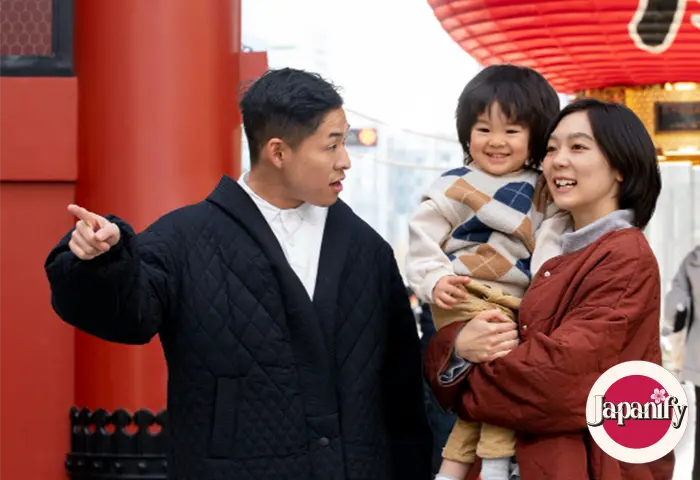
Chapter 22: Clothing, Wearing Actions, and Frequency image

Key topics:

  • ・Clothing vocabulary and items
  • ・Specific verbs for wearing clothes
  • ・Talking about frequency and habits
  • ・Describing when and where you were born
  • ・Everyday clothing and accessories
  • ・Winter clothing and formal wear

Vocabulary

1
きます
kimasu
Expand card
着ます
put on, wear (clothes on upper body)
Example
シャツをきます
Shatsu o kimasu.
I put on a shirt.
2
はきます
hakimasu
Expand card
履きます
put on, wear (pants, shoes, socks)
Example
くつをはきます
Kutsu o hakimasu.
I put on shoes.
3
かぶります
kaburimasu
Expand card
被ります
put on, wear (hat, cap)
Example
ぼうしをかぶります
Bōshi o kaburimasu.
I put on a hat.
4
かけます
kakemasu
Expand card
掛けます
put on, wear (glasses), hang
Example
めがねをかけます
Megane o kakemasu.
I put on glasses.
5
うまれます
umaremasu
Expand card
生まれます
be born
Example
1990年にうまれます
1990-nen ni umaremasu.
I was born in 1990.
6
コート
kōto
Expand card
-
coat, overcoat
Example
さむいときコートをきます。
Samui toki kōto o kimasu.
I wear a coat when it
7
スーツ
sūtsu
Expand card
-
suit
Example
しごとにスーツをきます。
Shigoto ni sūtsu o kimasu.
I wear a suit to work.
8
セーター
sētā
Expand card
-
sweater, jumper
Example
ふゆにセーターをきます。
Fuyu ni sētā o kimasu.
I wear a sweater in winter.
9
ぼうし
bōshi
Expand card
帽子
hat, cap
Example
あついひはぼうしをかぶります。
Atsui hi wa bōshi o kaburimasu.
On hot days, I wear a hat.
10
めがね
megane
Expand card
眼鏡
glasses, eyeglasses
Example
ほんをよむときめがねをかけます。
Hon o yomu toki megane o kakemasu.
I wear glasses when I read books.
11
シャツ
shatsu
Expand card
-
shirt
Example
あたらしいシャツをかいました。
Atarashii shatsu o kaimashita.
I bought a new shirt.
12
くつ
kutsu
Expand card
shoes
Example
あたらしいくつをはきます。
Atarashii kutsu o hakimasu.
I wear new shoes.
13
よく
yoku
Expand card
-
often, well, much
Example
よくえいがをみます。
Yoku eiga o mimasu.
I often watch movies.

Conversation

1
こちら
kochira
Expand card
This way / Here / This place
Example Usage
こちらへどうぞ。
Kochira e douzo.
This way, please.
2
やちん
yachin
Expand card
Rent
Example Usage
このあぱーとのやちんはたかいです。
Kono apaato no yachin wa takai desu.
The rent for this apartment is expensive.
3
うーん
uun
Expand card
Hmm... / Well... (thinking sound)
Example Usage
うーん、むずかしいしつもんですね。
Uun, muzukashii shitsumon desu ne.
Hmm, that
4
だいにんぐきっちん
dainingu kitchin
Expand card
Dining kitchen (combined dining and kitchen area)
Example Usage
このへやにはだいにんぐきっちんがあります。
Kono heya ni wa dainingu kitchin ga arimasu.
This room has a dining kitchen.
5
わしつ
washitsu
Expand card
Japanese-style room
Example Usage
わたしのいえにはわしつがあります。
Watashi no ie ni wa washitsu ga arimasu.
My house has a Japanese-style room.
6
おしいれ
oshiire
Expand card
Closet / Built-in cupboard (Japanese style)
Example Usage
ふとんはおしいれにあります。
Futon wa oshiire ni arimasu.
The futon is in the closet.
7
ふとん
futon
Expand card
Japanese bedding (mattress and quilt)
Example Usage
よるはふとんをしきます。
Yoru wa futon wo shikimasu.
I spread out the futon at night.
8
あぱーと
apaato
Expand card
Apartment
Example Usage
えきのちかくにあぱーとをかりました。
Eki no chikaku ni apaato wo karimashita.
I rented an apartment near the station.

Grammar Rules

Rule 1: Specific verbs for wearing clothes

Structure: [Clothing item] を + [Specific wearing verb]

Japanese uses different verbs for putting on or wearing different types of clothing, depending on where the item goes on the body. きます is for things worn on the upper body or the whole body (shirts, jackets, dresses). はきます is for things worn on the lower body or feet (pants, skirts, shoes, socks). かぶります is for things worn on the head (hats, helmets). かけます is for accessories worn on the face (glasses, masks).

How to use: Choose the correct verb for your clothing item, then put the clothing + を, then the verb. Example: シャツ を きます (put on a shirt). ズボン を はきます (put on pants). ぼうし を かぶります (put on a hat). めがね を かけます (put on glasses). For wearing (state, not action), use 〜ています: シャツをきています (I am wearing a shirt). For past action: きました, はきました, かぶりました, かけました.
💡 Pro Tip: Do not use きます for shoes or pants (❌ くつをきます). Do not use はきます for shirts. For accessories like watches, belts, or necklaces, use します (to do) or つけます (to attach). Example: とけいをします / とけいをつけます (wear a watch). For earrings, use つけます. For ties, use しめます. For rings, use はめます. For
Examples
シャツをきます。
Shatsu o kimasu.
→ I put on a shirt.
ぼうしをかぶります。
Bōshi o kaburimasu.
→ I put on a hat.

Rule 2: Using よく for frequency

Structure: よく + [Verb] (often) / よく + [Verb] (skillfully)

よく has two common meanings. (1) When placed before a verb, it often means

How to use: For frequency: place よく before the verb. Example: よく スーツ を きます (I often wear suits). For skill: also place よく before the verb. Example: よく およげます (I can swim well). For negative frequency: あまり〜ません (not often). For
💡 Pro Tip: Do not confuse よく (often/well) with いい (good, adjective). よく is the adverb form. For
Examples
よくスーツをきます。
Yoku sūtsu o kimasu.
→ I often wear suits.
よくにほんごがわかります。
Yoku nihongo ga wakarimasu.
→ I understand Japanese well.

Rule 3: Talking about birth with うまれます

Structure: [Place/Time] に うまれます

Use うまれます (to be born) with the particle に to mark the place or time of birth. うまれます is a verb that follows standard conjugation patterns. This pattern is used to state where or when someone came into the world. For talking about birth in a hospital or city, use に. For

How to use: For place of birth: place noun + に + うまれました. Example: とうきょう に うまれました (I was born in Tokyo). For time of birth: time expression + に + うまれました. Example: にせんねん に うまれました (I was born in the year 2000). For both place and time: time + に + place + で + うまれました (using で for action location). Example: にせんねんに とうきょうで うまれました (I was born in Tokyo in 2000).
💡 Pro Tip: Do not use から or を with うまれます — use に for both time and place. The polite past tense うまれました is most common because birth is usually a past event. To ask
Examples
とうきょうにうまれました。
Tōkyō ni umaremashita.
→ I was born in Tokyo.
にせんねんにうまれました。
Nisen-nen ni umaremashita.
→ I was born in the year 2000.

Rule 4: Clothing particle usage

Structure: [Clothing item] を + [Wearing verb]

When talking about putting on clothes, the clothing item is the direct object and takes the particle を. This is true for all wearing verbs (きます, はきます, かぶります, かけます). The particle を marks what is being put on. For talking about wearing clothes (state, not action), use 〜ています with the same particle: シャツをきています (I am wearing a shirt).

How to use: For the action of putting on: clothing + を + wearing verb. Example: くつ を はきます (I put on shoes). For the state of wearing: clothing + を + wearing verb + ています. Example: くつ を はいています (I am wearing shoes). For taking off: clothing + を + ぬぎます (remove). Example: くつをぬぎます (I take off shoes). For trying on: 〜てみます. Example: くつをはいてみます (I try on shoes).
💡 Pro Tip: Do not confuse を (object marker) with で (location/means) or に (destination). When you say シャツをきます, the shirt is the object being acted upon. When you say しろいシャツをきています, you are wearing a white shirt — still を. For
Examples
くつをはきます。
Kutsu o hakimasu.
→ I put on shoes.
あかいシャツをきています。
Akai shatsu o kite imasu.
→ I am wearing a red shirt.

Exercises

Question 1

Choose the correct verb to complete

シャツを ______。

Question 2

Complete the sentence meaning

ズボンを ______。

Question 3

How do you say

Question 4

Complete the sentence meaning

めがねを ______。

Question 5

What does

Question 6

Complete the sentence meaning

______ にほんごが わかります。

Question 7

How do you say

Question 8

Complete the sentence meaning

にせんねん ______ うまれました。

Question 9

How do you say

Question 10

Complete the sentence meaning

______ スーツを きます。

Question 11

Which verb is correct for

Question 12

Complete the sentence meaning

にせんねんに とうきょう ______ うまれました。

Question 13

What is the difference between よく and ときどき?

Question 14

Complete the sentence meaning

スカートを ______。

Question 15

How do you say

Question 16

Complete the question meaning

どこ ______ うまれましたか。

Question 17

Which verb is correct for

Question 18

Complete the sentence meaning

______ およげます。

Question 19

What is the verb for

Question 20

Complete the sentence meaning

くろい ぼうしを ______。

×
On'yomi:
Kun'yomi: