
Japanify
Japanify FacebookJapanify InstagramJapanify YouTube

Lesson 10: Japanese Classes

I'd like to join a Japanese class, but...

This lesson focuses on finding and joining community classes in Japan. You'll learn how to read class flyers, ask questions about classes, discuss Japanese language courses with friends, and answer questions about your language learning background when applying for classes.
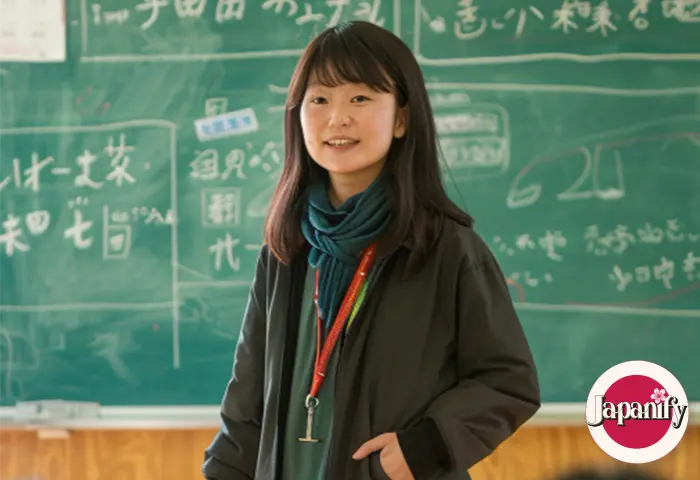
Lesson 10: Japanese Classes image

Key topics:

  • ・Reading community class flyers and understanding basic information
  • ・Topic 2: Asking questions about classes you're interested in joining
  • ・Discussing Japanese language classes with friends
  • ・Answering questions about your language learning experience
  • ・Topic 5: Understanding Japanese community centers and cultural activities
  • ・Learning about martial arts like Aikido in Japan

Vocabulary

1
あじわう
ajiwau
Expand card
-
to taste / to savor
Example
この料理を味わいます
Kono ryōri o ajiwaimasu.
I taste this dish.
2
かかる
kakaru
Expand card
-
to cost (a fee)
Example
千円かかります
Sen en kakarimasu.
It costs 1000 yen.
3
さんかする
sanka suru
Expand card
参加する
to join
Example
イベントに参加します
Ibento ni sanka shimasu.
I join the event.
4
はらう
harau
Expand card
払う
to pay
Example
お金を払います
Okane o haraimasu.
I pay money.
5
もってくる
mottekuru
Expand card
-
to bring
Example
テキストを持ってきます
Tekisuto o mottekimasu.
I bring the textbook.
6
よういする
yōi suru
Expand card
用意する
to prepare / to offer
Example
道具を用意します
Dōgu o yōi shimasu.
I prepare tools.
7
しょうかいする
shōkai suru
Expand card
紹介する
to introduce
Example
友達を紹介します
Tomodachi o shōkai shimasu.
I introduce a friend.
8
つかう
tsukau
Expand card
使う
to use
Example
このアプリを使います
Kono apuri o tsukaimasu.
I use this app.
9
みにつける
minitsukeru
Expand card
-
to learn
Example
日本語を身につけます
Nihongo o minitsukemasu.
I learn Japanese.
10
きく
kiku
Expand card
聞く
to ask
Example
先生に聞きます
Sensei ni kikimasu.
I ask the teacher.
11
うごきやすい
ugokiyasui
Expand card
動きやすい
easy to move (in)
Example
この服は動きやすいです。
Kono fuku wa ugokiyasui desu.
These clothes are easy to move in.
12
きびしい
kibishii
Expand card
-
strict
Example
あの先生は厳しいです。
Ano sensei wa kibishii desu.
That teacher is strict.
13
ひつよう(な)
hitsuyō (na)
Expand card
必要(な)
necessary
Example
テキストが必要です。
Tekisuto ga hitsuyō desu.
A textbook is necessary.
14
ようび
yōbi
Expand card
曜日
a day of the week
Example
今日は何曜日ですか。
Kyō wa nan yōbi desu ka.
What day is it today?
15
じかん
jikan
Expand card
時間
time
Example
時間がありますか。
Ima jikan ga arimasu ka.
Do you have time now?
16
ひよう
hiyō
Expand card
費用
cost
Example
クラスの費用は千円です。
Kurasu no hiyō wa sen en desu.
The class costs 1000 yen.
17
まいつき
maitsuki
Expand card
毎月
every month
Example
毎月払います。
Maitsuki haraimasu.
I pay every month.
18
だいさんもくようび
daisan mokuyōbi
Expand card
第三木曜日
the third Thursday of the month
Example
次は第三木曜日です。
Tsugi wa daisan mokuyōbi desu.
Next is the third Thursday.
19
こうみんかん
kōminkan
Expand card
公民館
local community center
Example
公民館へ行きます。
Kōminkan e ikimasu.
I go to the community center.
20
といあわせ
toiawase
Expand card
問い合わせ
inquiry
Example
電話で問い合わせます。
Denwa de toiawase masu.
I inquire by phone.
21
じゅうがつスタート
jūgatsu sutāto
Expand card
十月スタート
starting in October
Example
クラスは十月スタートです。
Kurasu wa jūgatsu sutāto desu.
The class starts in October.
22
しゅん
shun
Expand card
seasonal food
Example
今がです。
Ima ga shun desu.
It's in season now.
23
ぜんよんかい
zen yonkai
Expand card
全四回
4 times in total
Example
このコースは全四回です。
Kono kōsu wa zen yonkai desu.
This course has 4 sessions.
24
ちょうりしつ
chōrishitsu
Expand card
調理室
kitchen
Example
調理室を使います。
Chōrishitsu o tsukaimasu.
I use the kitchen.
25
せんちゃく
senchaku
Expand card
先着
first (people to apply)
Example
先着10名です。
Senchaku jū mei desu.
First 10 people.
26
しょどう
shodō
Expand card
書道
Japanese calligraphy
Example
書道を習います。
Shodō o naraimasu.
I learn calligraphy.
27
にちじ
nichiji
Expand card
日時
date and time
Example
日時を聞きます。
Nichiji o kikimasu.
I ask the date and time.
28
テキストだい
tekisuto dai
Expand card
テキスト代
textbook fee
Example
テキスト代は別です。
Tekisuto dai wa betsu desu.
Textbook fee is separate.
29
がいこくじんむけ
gaikokujin muke
Expand card
外国人向け
for non-Japanese residents
Example
外国人向けのクラスです。
Gaikokujin muke no kurasu desu.
It's a class for non-Japanese.
30
たいけんきょうしつ
taiken kyōshitsu
Expand card
体験教室
trial lesson
Example
体験教室に行きます。
Taiken kyōshitsu ni ikimasu.
I go to a trial lesson.
31
つき
tsuki
Expand card
month
Example
から始まります。
Rai tsuki kara hajimarimasu.
It starts next month.
32
テキスト
tekisuto
Expand card
-
textbook
Example
このテキストを読みます。
Kono tekisuto o yomimasu.
I read this textbook.
33
どうぐ
dōgu
Expand card
道具
equipment
Example
道具を準備します。
Dōgu o junbi shimasu.
I prepare equipment.
34
けんがく
kengaku
Expand card
見学
observation
Example
クラスを見学します。
Kurasu o kengaku shimasu.
I observe the class.
35
もうしこみ
mōshikomi
Expand card
申し込み
application
Example
申し込みをします。
Mōshikomi o shimasu.
I apply.
36
あいきどう
aikidō
Expand card
合気道
aikido
Example
合気道を練習します。
Aikidō o renshū shimasu.
I practice aikido.
37
いっかいかんけつ
ikkai kanketsu
Expand card
一回完結
one-time completion
Example
この講座は一回完結です。
Kono kōza wa ikkai kanketsu desu.
This course is one-time.
38
たいいくしつ
taiikushitsu
Expand card
体育室
exercise room
Example
体育室で運動します。
Taiikushitsu de undō shimasu.
I exercise in the exercise room.
39
どうぎ
dōgi
Expand card
道着
dougi (martial arts uniform)
Example
道着を着ます。
Dōgi o kimasu.
I wear a dougi.
40
クラス
kurasu
Expand card
-
class
Example
このクラスは楽しいです。
Kono kurasu wa tanoshii desu.
This class is fun.
41
さいしょ
saisho
Expand card
最初
at first
Example
最初は難しいです。
Saisho wa muzukashii desu.
At first it's difficult.
42
あとは
ato wa
Expand card
-
after that
Example
あとは休みます。
Ato wa yasumimasu.
After that, I rest.
43
それとも
soretomo
Expand card
-
or
Example
今日ですか、それとも明日ですか。
Kyō desu ka, soretomo ashita desu ka.
Today, or tomorrow?
44
コース
kōsu
Expand card
-
course
Example
このコースを選びます。
Kono kōsu o erabimasu.
I choose this course.
45
ぜんぶ
zenbu
Expand card
全部
all
Example
全部食べます。
Zenbu tabemasu.
I eat all of it.
46
もっと
motto
Expand card
-
more
Example
もっと勉強します。
Motto benkyō shimasu.
I study more.
47
しゅう
shū
Expand card
week
Example
2回練習します。
Mai shū ni kai renshū shimasu.
I practice twice a week.
48
なんかい
nankai
Expand card
何回
how many times
Example
何回見ましたか。
Nankai mimashita ka.
How many times did you watch?
49
いっかい
ikkai
Expand card
一回
once / one time
Example
一回だけ行きました。
Ikkai dake ikimashita.
I went only once.
50
ただ
tada
Expand card
-
free of charge
Example
これはただです。
Kore wa tada desu.
This is free.
51
チラシ
chirashi
Expand card
-
flyer
Example
チラシを見ます。
Chirashi o mimasu.
I look at the flyer.
52
ぼご
bogo
Expand card
母語
mother tongue
Example
私の母語は英語です。
Watashi no bogo wa eigo desu.
My mother tongue is English.
53
どういう
dō iu
Expand card
-
what
Example
どういう意味ですか。
Dō iu imi desu ka.
What does it mean?
54
いみ
imi
Expand card
意味
meaning
Example
この言葉の意味は何ですか。
Kono kotoba no imi wa nan desu ka.
What is the meaning of this word?
55
どんなこと
donna koto
Expand card
-
what kinds of things
Example
どんなことを習いますか。
Donna koto o naraimasu ka.
What kinds of things do you learn?
56
おもち下さい
omochi kudasai
Expand card
お持ち下さい
Please bring.
Example
身分証明書をお持ち下さい
Mibun shōmeisho o omochi kudasai.
Please bring an ID.
57
さんかされています
sanka sareteimasu
Expand card
参加されています
~ are participating.
Example
10名が参加されています
Jū mei ga sanka sareteimasu.
10 people are participating.
58
いらして下さい
irashite kudasai
Expand card
-
Please come.
Example
どうぞいらして下さい
Dōzo irashite kudasai.
Please come.
59
かまいません
kamaimasen
Expand card
-
~ doesn't matter.
Example
どちらでもかまいません
Dochira demo kamaimasen.
Either is fine.
60
ひつようありません
hitsuyō arimasen
Expand card
必要ありません
~ is not necessary.
Example
予約は必要ありません
Yoyaku wa hitsuyō arimasen.
Reservation is not necessary.
61
まだ あいていますか?
mada aiteimasu ka?
Expand card
-
Is there still availability?
Example
このクラスはまだ空いていますか
Kono kurasu wa mada aiteimasu ka.
Is this class still available?
62
もう いっぱいです
mō ippai desu
Expand card
-
It is full.
Example
申し込みはもういっぱいです
Mōshikomi wa mō ippai desu.
Applications are full.
63
しょうしょうおまち下さい
shōshō omachi kudasai
Expand card
少々お待ち下さい
Please wait a moment.
Example
少々お待ち下さい
Shōshō omachi kudasai.
Please wait a moment.
64
きょうみが ある
kyōmi ga aru
Expand card
興味がある
to be interested in
Example
日本文化に興味があります
Nihon bunka ni kyōmi ga arimasu.
I am interested in Japanese culture.
65
ちょっといいですか?
chotto ii desu ka?
Expand card
-
Can I have a minute?
Example
ちょっといいですか
Chotto ii desu ka.
Can I have a minute?
66
もうしこみしょ
mōshikomisho
Expand card
申し込み書
application form
Example
申し込み書を書きます。
Mōshikomisho o kakimasu.
I fill out the application form.
67
まえに
mae ni
Expand card
前に
before
Example
食事の前に手を洗います。
Shokuji no mae ni te o araimasu.
I wash my hands before eating.

Conversation

1
~したいんですが…いつありますか?
~shitai n desu ga… itsu arimasu ka?
Expand card
I'd like to do ~, but… when is it held?
Example Usage
日本語教室に参加したいんですが…いつありますか?
Nihongo kyoushitsu ni sanka shitai n desu ga… itsu arimasu ka?
I'd like to join a Japanese class, but… when is it held?
2
~をやってみたいんですが
~ o yatte mitai n desu ga
Expand card
I'd like to try doing ~, but…
Example Usage
合気道をやってみたいんですが
Aikidou o yatte mitai n desu ga
I'd like to try aikido, but…
3
もっと~を勉強したいんですが、~はどうですか?
Motto ~ o benkyou shitai n desu ga, ~ wa dou desu ka?
Expand card
I want to study ~ more, but how is ~?
Example Usage
私も、もっと日本語を勉強したいんですが、クラスはどうですか?
Watashi mo, motto nihongo o benkyou shitai n desu ga, kurasu wa dou desu ka?
I also want to study Japanese more, but how is the class?
4
~は、どういう意味ですか?
~ wa, dou iu imi desu ka?
Expand card
What does ~ mean?
Example Usage
すみません。「ぼご」は、どういう意味ですか?
Sumimasen. 'Bogo' wa, dou iu imi desu ka?
Excuse me. What does 'bogo' mean?
5
~を持って来ましょうか?
~ o motte kimashou ka?
Expand card
Shall I bring ~?
Example Usage
今度、教室のチラシを持って来ましょうか?
Kondo, kyoushitsu no chirashi o motte kimashou ka?
Shall I bring you a flyer for the class next time?

Kanji

1
先生
せんせい
Expand card
teacher
🎬
previous, ahead
🎬
life, birth
Example
先生、おはようございます。
Sensei, ohayō gozaimasu.
Good morning, teacher.
2
全部
ぜんぶ
Expand card
all, everything
🎬
all, whole
🎬
part, section
Example
全部食べました。
Zenbu tabemashita.
I ate everything.
3
午前
ごぜん
Expand card
morning, a.m.
🎬
noon
🎬
before, front
Example
午前九時です。
Gozen kuji desu.
It's 9 a.m.
4
参加する
さんかする
Expand card
to participate
🎬
participate, visit
🎬
add, join
Example
イベントに参加します
Ibento ni sanka shimasu.
I will participate in the event.
5
午後
ごご
Expand card
afternoon, p.m.
🎬
noon
🎬
after, behind
Example
午後三時です。
Gogo sanji desu.
It's 3 p.m.
6
~回
~かい
Expand card
times (counter)
🎬
times, revolve
Example
行きました。
Ni kai ikimashita.
I went two times.
7
教室
きょうしつ
Expand card
classroom
🎬
teach
🎬
room
Example
教室に入ります。
Kyōshitsu ni hairimasu.
I enter the classroom.
8
用意する
よういする
Expand card
to prepare
🎬
use, business
🎬
mind, meaning
Example
宿題を用意しました
Shukudai o yōi shimashita.
I prepared my homework.
9
教科書
きょうかしょ
Expand card
textbook
🎬
teach
🎬
subject, course
🎬
book, write
Example
教科書を開けて下さい。
Kyōkasho o akete kudasai.
Please open your textbook.

Grammar Rules

Rule 1: V-てみたいんですが…

Structure: Verb て-form + みたいんですが…

Use て-form + みたいんですが to express that you want to try doing something new and politely lead into a request for information. The みたい means 'to try (doing)', and んですが softens the statement, inviting the listener to help or respond.

How to use: Change the verb to て-form, add みたい (the たい-form of みる), then add んですが. For casual speech, use てみたいんだけど. Often used when asking about class availability, trying an activity, or seeking recommendations.
💡 Pro Tip: This pattern is perfect for making inquiries at a school, gym, or shop. ~てみたいです (I want to try) is fine, but ~てみたいんですが leaves the request unspoken, making it more polite. After this phrase, you can directly ask: '受講できますか?' (Can I take the class?).
Examples
合気道をやってみたいんですが…
Aikidō o yatte mitai n desu ga…
→ I'd like to try aikido… (could you tell me about it?)
このレストランのランチを食べてみたいんですが、予約が必要ですか?
Kono resutoran no ranchi o tabete mitai n desu ga, yoyaku ga hitsuyō desu ka?
→ I'd like to try lunch at this restaurant; is a reservation necessary?

Rule 2: [期間] (に)~回

Structure: Time period + (に) + Number + 回

Use this pattern to express frequency—how many times something happens within a certain time period. The particle に is optional but common with fixed intervals like 週に (per week), 月に (per month), 年に (per year). 回 (かい) is the counter for number of times.

How to use: State the time period (e.g., 一週間, 一ヶ月, 一年), optionally add に, then the number + 回. For 'once', use 一回 (いっかい); 'twice' is 二回 (にかい); 'three times' is 三回 (さんかい). Can be used as an adverb or as a noun phrase.
💡 Pro Tip: For 'every day' use 毎日 (まいにち) without 回. For 'once a day' say 一日に一回 (いちにちにいっかい). In casual speech, the に is often dropped: 週一回. Also works for longer periods: 五年に一回 (once every five years).
Examples
日本語クラスは週に1回です。
Nihongo kurasu wa shū ni ikkai desu.
→ The Japanese class is once a week.
この薬は一日に三回飲んで下さい。
Kono kusuri wa ichinichi ni sankai nonde kudasai.
→ Please take this medicine three times a day.

Rule 3: V-ましょうか?

Structure: Verb stem + ましょうか

Use verb stem + ましょうか to politely offer to do something for someone. It means 'Shall I do ~?' or 'Would you like me to do ~?' This is a helpful, service‑oriented expression often used in shops, restaurants, or when helping a friend.

How to use: Take the verb stem (masu-form minus ます). Add ましょうか. For example: 持ちます → 持ちましょうか (Shall I carry it?). The question expects a response like はい、お願いします (Yes, please) or いいえ、結構です (No, thank you).
💡 Pro Tip: Do not confuse ~ましょうか (offer to do something) with ~ませんか (invitation to do something together). ~ましょうか puts the speaker as the doer; ~ませんか includes both speaker and listener. Also, ~ましょうか can be used to suggest a solution: 窓を開けましょうか? (Shall I open the window? – maybe because it's hot).
Examples
教室のチラシを持って来ましょうか?
Kyōshitsu no chirashi o motte kimashō ka?
→ Shall I bring you a flyer for the class?
荷物が重そうですね。お持ちしましょうか?
Nimotsu ga omosō desu ne. O-mochi shimashō ka?
→ Your luggage looks heavy. Shall I carry it for you?

Rule 4: Asking for clarification

Structure: [Word/Phrase] + は、どういう意味ですか?

Use ~は、どういう意味ですか to ask the meaning of a word or phrase you don't understand. どういう is a question word meaning 'what kind of' or 'what (meaning)'. This is a direct but polite way to request a definition.

How to use: Put the unknown word or phrase before は, then add どういう意味ですか. For casual speech, say ~ってどういう意味? (using って as topic marker). You can also ask about a sentence: 「~」という文はどういう意味ですか.
💡 Pro Tip: For a softer approach, first say すみません、わかりません (Sorry, I don't understand), then ask. You can also use どういうことですか (What do you mean?) when the situation is unclear. To ask how to say something, use ~は日本語で何ですか (What is ~ in Japanese?).
Examples
「ぼご」は、どういう意味ですか?
'Bogo' wa, dō iu imi desu ka?
→ What does 'bogo' mean?
「いただきます」はどういう意味ですか?
'Itadakimasu' wa dō iu imi desu ka?
→ What does 'itadakimasu' mean?

Rule 5: N のとき、~

Structure: [Noun] + のとき + [Clause]

Use noun + のとき to say 'at the time of noun' or 'when (during) noun'. This is used to situate an event within a specific life stage, event, or situation. For verbs, use verb dictionary form + とき or verb past form + とき depending on timing.

How to use: Place の after a noun that indicates a time or event (e.g., 子どものとき 'when I was a child', 高校のとき 'in high school', 休みのとき 'during vacation'). Then add とき, then the main clause. The tense of the main clause is independent.
💡 Pro Tip: For verbs: 食べるとき (before eating) vs 食べたとき (after eating). For nouns like 高校 (school name), のとき is fine. For specific ages, say 18歳のとき (when I was 18). For 'every time', use ~たびに.
Examples
高校のとき、少し日本語を勉強しました。
Kōkō no toki, sukoshi nihongo o benkyō shimashita.
→ When I was in high school, I studied a little Japanese.
試験のとき、緊張しないで下さい。
Shiken no toki, kinchō shinaide kudasai.
→ During the exam, please don't be nervous.

Exercises

Question 1

Complete the sentence to politely say 'I'd like to try aikido…'

合気道を______みたいんですが…

Question 2

What is the correct reading of 先生?

______、おはようございます。

Question 3

Complete the sentence meaning 'The Japanese class is once a week.'

日本語クラスは______1回です。

Question 4

What is the meaning of 全部 in '全部食べました'?

Question 5

Choose the correct offer meaning 'Shall I bring you a flyer for the class?'

教室のチラシを______ましょうか?

Question 6

Choose the correct reading of 午前 to complete the sentence.

______九時です。

Question 7

What does '「ぼご」は、どういう意味ですか?' mean?

Question 8

Choose the correct reading of 参加する to complete the sentence.

イベントに______します。

Question 9

Complete the sentence meaning 'When I was in high school, I studied a little Japanese.'

高校の______、少し日本語を勉強しました。

Question 10

Choose the correct reading of 午後 to complete the sentence.

______三時です。

Question 11

Complete the sentence meaning 'I'd like to try lunch at this restaurant; is a reservation necessary?'

このレストランのランチを食べて______んですが、予約が必要ですか?

Question 12

Choose the correct reading of 回 in '二回行きました'.

二______行きました。

Question 13

Choose the correct response to 'お持ちしましょうか?' (Shall I carry it for you?)

Question 14

What is the meaning of 教室 in '教室に入ります'?

Question 15

Complete the sentence meaning 'Please take this medicine three times a day.'

この薬は一日に______飲んで下さい。

Question 16

Choose the correct reading of 用意する to complete the sentence.

宿題を______しました。

Question 17

How do you ask 'What does 'itadakimasu' mean?'

Question 18

Choose the correct reading of 教科書 to complete the sentence.

______を開けて下さい。

Question 19

Complete the sentence meaning 'During the exam, please don't be nervous.'

試験の______、緊張しないで下さい。

Question 20

Choose the correct reading of 全部 to complete the sentence.

______食べました。

×
On'yomi:
Kun'yomi: