
Japanify

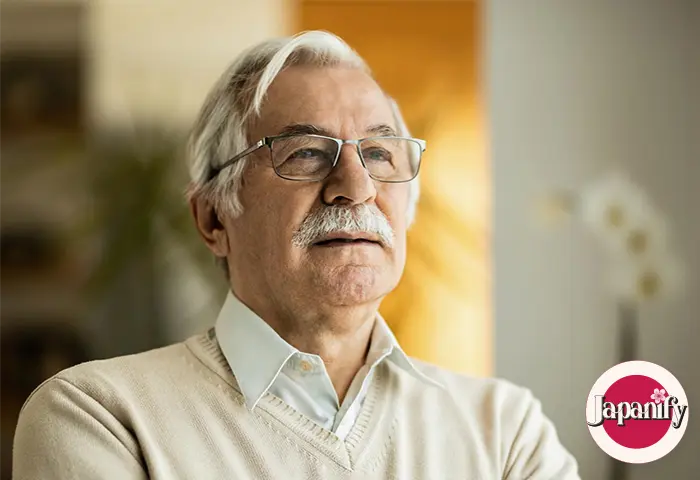
Lesson 2: He looks a very serious person

Describing people and their characteristics

This lesson focuses on describing people's physical appearance, personality traits, and characteristics. You'll learn how to identify people based on their features, describe someone who isn't present, talk about famous people you admire, and read simple interview articles about people's backgrounds and interests.
Lesson 2: He looks a very serious person image

Key topics:

  • ・Describing physical appearance and clothing
  • ・Identifying people in a crowd
  • ・Talking about personality traits
  • ・Discussing famous people
  • ・Reading interview articles
  • ・Using descriptive expressions with ~そう

Vocabulary

1
いんたいする
intai suru
引退する
to retire
Example
らいねん引退します
Rainen intai shimasu.
I will retire next year.
2
おどろく
odoroku
驚く
to be surprised
Example
それをきいて驚きました
Sore o kiite odorokimashita.
I was surprised to hear that.
3
くつをはく
kutsu o haku
-
to wear shoes
Example
そとにでるまえにくつをはきます
Soto ni deru mae ni kutsu o hakimasu.
I put on shoes before going out.
4
シャツをきる
shatsu o kiru
-
to wear a shirt
Example
あたらしいシャツをきます
Atarashii shatsu o kimasu.
I wear a new shirt.
5
すわる
suwaru
座る
to sit
Example
ソファーに座ります
Sofā ni suwarimasu.
I sit on the sofa.
6
たつ
tatsu
立つ
to stand
Example
バスで立ちます
Basu de tachimasu.
I stand on the bus.
7
なく
naku
泣く
to cry
Example
えいがをみて泣きました
Eiga o mite nakimashita.
I cried watching the movie.
8
びっくりする
bikkuri suru
-
to be shocked
Example
そのニュースにびっくりしました
Sono nyūsu ni bikkuri shimashita.
I was shocked by the news.
9
あおい
aoi
青い
blue
Example
わたしのふくは青いです。
Watashi no fuku wa aoi desu.
My clothes are blue.
10
あかい
akai
赤い
red
Example
そのくるまは赤いです。
Sono kuruma wa akai desu.
That car is red.
11
あかるい
akarui
明るい
bright
Example
このへやは明るいです。
Kono heya wa akarui desu.
This room is bright.
12
かっこいい
kakkoii
-
cool
Example
あなたのめがねはかっこいいです。
Anata no megane wa kakkoii desu.
Your glasses are cool.
13
きいろい
kiiroi
黄色い
yellow
Example
ひまわりは黄色いです。
Himawari wa kiiroi desu.
Sunflowers are yellow.
14
きびしい
kibishii
-
strict
Example
うちのちちはきびしいです。
Uchi no chichi wa kibishii desu.
My father is strict.
15
くろい
kuroi
黒い
black
Example
わたしのかばんは黒いです。
Watashi no kaban wa kuroi desu.
My bag is black.
16
こわい
kowai
-
scary
Example
このえいがはこわいです。
Kono eiga wa kowai desu.
This movie is scary.
17
しろい
shiroi
白い
white
Example
あのくるまは白いです。
Ano kuruma wa shiroi desu.
That car is white.
18
たかい
takai
高い
tall; expensive
Example
このほんは高いです。
Kono hon wa takai desu.
This book is expensive.
19
ながい
nagai
長い
long
Example
このみちは長いです。
Kono michi wa nagai desu.
This road is long.
20
みじかい
mijikai
短い
short
Example
わたしのスカートは短いです。
Watashi no sukāto wa mijikai desu.
My skirt is short.
21
あかちゃん
akachan
赤ちゃん
baby
Example
赤ちゃんがねています。
Akachan ga nete imasu.
The baby is sleeping.
22
いまでも
ima demo
今でも
even now
Example
そのうたは今でもすきです。
Sono uta wa ima demo suki desu.
I still like that song even now.
23
うた
uta
singing; song
Example
にほんのをならいます。
Nihon no uta o naraimasu.
I learn Japanese songs.
24
えいがさい
eigasaki
映画祭
film festival
Example
映画祭にいきます。
Eigasaki ni ikimasu.
I go to a film festival.
25
えんぎ
engi
演技
acting
Example
かのじょは演技がうまいです。
Kanojo wa engi ga umai desu.
She is good at acting.
26
おとこのひと
otoko no hito
男の人
man
Example
あの男の人はだれですか?
Ano otoko no hito wa dare desu ka?
Who is that man?
27
かしゅ
kashu
歌手
singer
Example
ゆめは歌手になることです。
Yume wa kashu ni naru koto desu.
My dream is to become a singer.
28
かみ
kami
hair
Example
をきります。
Kami o kirimasu.
I cut my hair.
29
きっかけ
kikkake
-
original motivation; trigger
Example
これがきっかけではじめました。
Kore ga kikkake de hajimemashita.
This was the reason I started.
30
きんいろ
kin'iro
金色
golden
Example
ゆびわが金色です。
Yubiwa ga kin'iro desu.
The ring is golden.
31
こいびと
koibito
恋人
boyfriend / girlfriend
Example
わたしの恋人はやさしいです。
Watashi no koibito wa yasashii desu.
My partner is kind.
32
こうりゅうきょうかい
kōryū kyōkai
交流協会
exchange association
Example
交流協会ではたらきます。
Kōryū kyōkai de hatarakimasu.
I work at an exchange association.
33
このあいだ
kono aida
この間
the other day; recently
Example
この間あいましたね。
Kono aida aimashita ne.
We met the other day.
34
こんど
kondo
今度
this time; next time
Example
今度あそびにきて下さい。
Kondo asobi ni kite kudasai.
Please come visit next time.
35
ジャンパー
janpā
-
zip-up jacket
Example
さむいのでジャンパーをきています。
Samui node janpā o kite imasu.
I'm wearing a jacket because it's cold.
36
じょうず
jōzu
上手
to be good at
Example
かれはりょうりが上手です。
Kare wa ryōri ga jōzu desu.
He is good at cooking.
37
しんぱい
shinpai
心配
concerning; worrying
Example
あのこを心配しています。
Ano ko o shinpai shite imasu.
I'm worried about that child.
38
ダンス
dansu
-
dancing
Example
まいしゅうダンスをならいます。
Maishū dansu o naraimasu.
I take dance lessons every week.
39
だれか
dareka
-
anyone; somebody
Example
だれかてつだってくれますか?
Dareka tetsudatte kuremasu ka?
Can someone help me?
40
ハイキング
haikingu
-
hiking
Example
ともだちとハイキングにいきます。
Tomodachi to haikingu ni ikimasu.
I go hiking with friends.
41
はいゆう
haiyū
俳優
actor
Example
かのじょはゆうめいな俳優です。
Kanojo wa yūmei na haiyū desu.
She is a famous actress.
42
ファン
fan
-
fan
Example
わたしはそのファンです。
Watashi wa sono fan desu.
I'm a fan of that.
43
ふじさん
Fujisan
富士山
Mt. Fuji
Example
らいねん富士山にのぼります。
Rainen Fujisan ni noborimasu.
Next year I'll climb Mt. Fuji.
44
まご
mago
grandchild
Example
そふはが3人います。
Sofu wa mago ga san-nin imasu.
My grandfather has three grandchildren.
45
me
appearance; looks
Example
あなたのはきれいです。
Anata no me wa kirei desu.
Your eyes are beautiful.
46
おそくまで
osoku made
遅くまで
until late
Example
きのう遅くまではたらきました。
Kinō osoku made hatarakimashita.
I worked until late yesterday.
47
ズボンをはく
zubon o haku
-
to wear pants
Example
きょうはあおいズボンをはきます
Kyō wa aoi zubon o hakimasu.
Today I'll wear blue pants.
48
せかいじゅう
sekai jū
世界中
around the world
Example
世界中からかんこうきゃくがきます。
Sekai jū kara kankōkyaku ga kimasu.
Tourists come from around the world.
49
そんな
sonna
-
such
Example
そんなことはしりませんでした。
Sonna koto wa shirimasen deshita.
I didn't know such a thing.
50
できれば
dekireba
-
if possible
Example
できればあしたきて下さい。
Dekireba ashita kite kudasai.
Please come tomorrow if possible.
51
ネクタイをする
nekutai o suru
-
to wear a tie
Example
かいぎのときにネクタイをします
Kaigi no toki ni nekutai o shimasu.
I wear a tie during meetings.
52
ピアスをする
piasu o suru
-
to wear earrings
Example
かのじょはいつもピアスをしています
Kanojo wa itsumo piasu o shite imasu.
She always wears earrings.
53
ひげをはやす
hige o hayasu
-
to have a beard
Example
ちちはひげをはやしています
Chichi wa hige o hayashite imasu.
My father has a beard.
54
ぼうしをかぶる
bōshi o kaburu
-
to wear a hat
Example
そとにでるときぼうしをかぶります
Soto ni deru toki bōshi o kaburimasu.
I wear a hat when I go outside.
55
まじめ
majime
真面目
sincere
Example
かれはとても真面目めなひとです。
Kare wa totemo majime na hito desu.
He is a very sincere person.
56
まず
mazu
-
first of all
Example
まず、てをあらって下さい。
Mazu, te o aratte kudasai.
First of all, please wash your hands.
57
みため
mitame
見た目
appearance
Example
見た目はふくがだいじです。
Mitame wa fuku ga daiji desu.
Clothes are important for appearance.
58
めがねをかける
megane o kakeru
-
to wear glasses
Example
わたしはほんをよむときめがねをかけます
Watashi wa hon o yomu toki megane o kakemasu.
I wear glasses when I read books.
59
ワンピースをきる
wanpīsu o kiru
-
to wear a dress
Example
かのじょはパーティーにワンピースをきます
Kanojo wa pātī ni wanpīsu o kimasu.
She wears a dress to the party.

Conversation

1
髪が長い
kami ga nagai
long-haired
Example Usage
あの髪が長い人は誰ですか?
Ano kami ga nagai hito wa dare desu ka?
Who is that long-haired person?
2
髪が短い
kami ga mijikai
short-haired
Example Usage
彼は最近髪が短いです。
Kare wa saikin kami ga mijikai desu.
He has short hair recently.
3
背が高い
se ga takai
tall
Example Usage
私の兄は背が高いです。
Watashi no ani wa se ga takai desu.
My older brother is tall.

Kanji

1
上手(な)
じょうず(な)
skillful, good at (na-adjective)
🎬
above, top
🎬
hand
Example
あのひとはえいごが上手です。
Ano hito wa eigo ga jōzu desu.
That person is good at English.
2
明るい
あかるい
bright, cheerful
🎬
bright, clear
Example
このへやはとても明るいです。
Kono heya wa totemo akarui desu.
This room is very bright.
3
着る
きる
to wear (clothes)
🎬
wear, arrive
Example
あたらしいふくを着ます
Atarashii fuku o kimasu.
I will wear new clothes.
4
歌手
かしゅ
singer
🎬
song, sing
🎬
hand, person
Example
かのじょはゆうめいな歌手です。
Kanojo wa yūmei na kashu desu.
She is a famous singer.
5
写真
しゃしん
photograph
🎬
copy, photograph
🎬
true, genuine
Example
きれいな写真をとりました。
Kirei na shashin o torimashita.
I took a beautiful photo.
6
うた
song
🎬
song, sing
Example
このがすきです。
Kono uta ga suki desu.
I like this song.
7
長い
ながい
long
🎬
long, leader
Example
このみちはとても長いです。
Kono michi wa totemo nagai desu.
This road is very long.
8
短い
みじかい
short
🎬
short
Example
かれのかみは短いです。
Kare no kami wa mijikai desu.
His hair is short.
9
立つ
たつ
to stand
🎬
stand
Example
バスで立ちます
Basu de tachimasu.
I stand on the bus.
10
泣く
なく
to cry
🎬
cry
Example
あかちゃんが泣きます
Akachan ga nakimasu.
The baby cries.

Grammar Rules

Rule 1: N1はN2がA-い/なです (Describing characteristics)

Structure: [Person]は[Body part/feature]が[Adjective]です

Used to describe a person's physical characteristics. N1 is the person, N2 is a body part or feature, followed by an adjective.

How to use: Place the topic (person) first + は, then the specific feature + が, then the adjective. The adjective agrees with the feature, not the person.
💡 Pro Tip: This pattern is very common for describing appearance (hair, eyes, height, build). Don't put は after the feature — always が.
Examples
江口さんは、髪が短いです。
Eguchi-san wa, kami ga mijikai desu.
→ Eguchi-san has short hair.
山田さんは、目が大きいです。
Yamada-san wa, me ga ōkii desu.
→ Yamada-san has big eyes.

Rule 2: V-ている+人 (Person who is doing/wearing)

Structure: V-ている + 人

Used to describe a person based on what they are doing or wearing. The plain form V-ている modifies 人 (person).

How to use: Change the verb to て-form, add いる, then attach 人. This makes a noun phrase: 'the person who is ...ing'.
💡 Pro Tip: You can also use past tense: V-ていた人 = 'the person who was doing ...'. This is great for talking about what someone was wearing when you met them.
Examples
チインさんは、帽子をかぶっている人です。
Naing-san wa, bōshi o kabutteiru hito desu.
→ Naing-san is the person who is wearing a hat.
走っている人は、田中さんです。
Hashitteiru hito wa, Tanaka-san desu.
→ The person who is running is Tanaka-san.

Rule 3: Sentence-ending particles よ and ね

Structure: Sentence + よ/ね

よ is used to convey new information to the listener. ね is used to seek confirmation or express shared feeling.

How to use: Simply add よ or ね to the end of a complete sentence. よ asserts; ね softens and invites agreement.
💡 Pro Tip: ね makes you sound friendly and is used often in daily conversation. よ can sound strong — use it when you're sure the listener doesn't know something.
Examples
あの人ですね。
Ano hito desu ne.
→ Is that the person? (seeking confirmation)
あの人は日本人ですよ。
Ano hito wa nihonjin desu yo.
→ That person is Japanese, you know. (informing)

Rule 4: ~し、~ (Giving reasons)

Structure: S1し、S2

Used to give reasons or grounds for an opinion or impression. Can connect multiple reasons.

How to use: Connect two or more sentences with し. Each clause can be in plain or polite form, but keep them consistent.
💡 Pro Tip: し implies there are other reasons you're not mentioning. It's softer than から and great for casual lists. Use it to sound natural and fluent.
Examples
三船敏郎は、演技が上手だし、本当にかっこいいです。
Mifune Toshirō wa, engi ga jōzu da shi, hontō ni kakkōii desu.
→ Mifune Toshirō is good at acting and very cool.
このレストランは安いし、おいしいし、よく行きます。
Kono resutoran wa yasui shi, oishii shi, yoku ikimasu.
→ This restaurant is cheap, tasty, and I go often.

Exercises

Question 1

Choose the correct particle to complete 'Eguchi-san has short hair.'

江口さんは、髪______短いです。

Question 2

Choose the correct reading of 上手.

あのひとはえいごが______です。

Question 3

Choose the correct form to say 'the person wearing a hat'.

帽子をかぶって______人です。

Question 4

What does 明るい mean?

このへやはとても明るいです。

Question 5

Choose the correct particle to seek confirmation.

あの人です______。

Question 6

Choose the correct reading of 着ます.

あたらしいふくを______。

Question 7

Choose the correct connector to give multiple reasons.

このレストランは安い______、おいしい______、よく行きます。

Question 8

What does 歌手 mean?

かのじょはゆうめいな歌手です。

Question 9

Choose the correct sentence meaning 'Yamada-san has big eyes.'

山田さんは、______。

Question 10

Choose the correct reading of 写真.

きれいな______をとりました。

Question 11

Choose the correct sentence meaning 'The person who is running is Tanaka-san.'

______人は、田中さんです。

Question 12

What does 歌 mean?

この歌がすきです。

Question 13

Choose the correct particle to inform new information.

あの人は日本人です______。

Question 14

Choose the correct reading of 長い.

このみちはとても______です。

Question 15

Choose the correct connector to complete 'He is good at acting and really cool.'

三船敏郎は、演技が上手だ______、本当にかっこいいです。

Question 16

What does 短い mean?

かれのかみは短いです。

Question 17

Choose the correct description of someone with long hair.

エマさんは、______。

Question 18

Choose the correct reading of 立ちます.

バスで______。

Question 19

Choose the correct form to say 'the person who was wearing a red shirt'.

赤いシャツを______人が私の友達です。

Question 20

What does 泣く mean?

あかちゃんが泣きます。

×
On'yomi:
Kun'yomi: