
Japanify

Lesson 18: 温泉に行きたいです – I Want to Go to a Hot Spring (~たい Form)

Learn vocabulary for talking about travel plans, destinations, and expressing desires to visit places. This lesson focuses on travel-related vocabulary, tourist attractions, and expressing future plans.
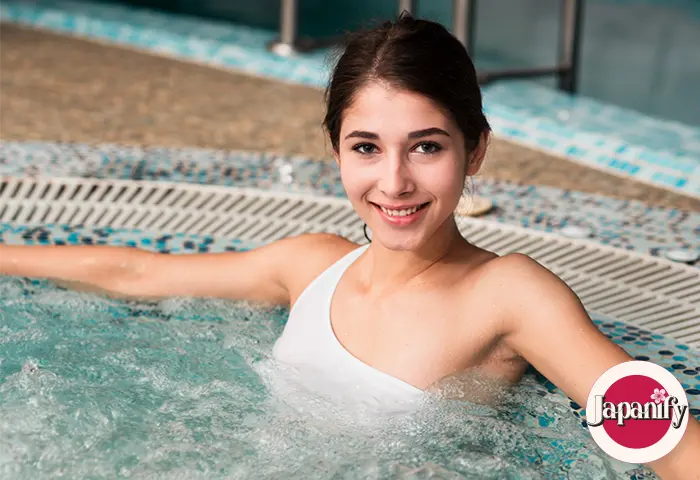
Lesson 18: 温泉に行きたいです – I Want to Go to a Hot Spring (~たい Form) image

Key topics:

  • ・Talking about travel plans
  • ・Expressing desires to go places
  • ・Tourist destinations in Japan
  • ・Seasonal activities and holidays
  • ・Making suggestions and recommendations
  • ・Future plans and intentions

Vocabulary

1
あう
au
会あう
to meet
Example
あした あいましょう.
Ashita aimashou.
Let's meet tomorrow.
2
かえる
kaeru
帰かえる
to return home / to go home
Example
6時じにうちにかえります.
Roku-ji ni uchi ni kaerimasu.
I return home at 6:00.
3
のぼる
noboru
登のぼる
to climb
Example
ふじさんをのぼりたい です.
Fujisan o noboritai desu.
I want to climb Mt. Fuji.
4
はいる
hairu
入はいる
to come in
Example
へやにはいります.
Heya ni hairimasu.
I enter the room.
5
りょこうする
ryokou suru
旅行りょこうする
to travel
Example
にほんをりょこうしたい です.
Nihon o ryokou shitai desu.
I want to travel in Japan.
6
ふじさん
fujisan
富士ふじ山ふじさん
Mount Fuji
Example
ふじさんにいきたい です.
Fujisan ni ikitai desu.
I want to go to Mt. Fuji.
7
きょうと
kyouto
京都きょうと
Kyoto
Example
きょうとにいきたい です.
Kyouto ni ikitai desu.
I want to go to Kyoto.
8
ディズニーランド
dizuniirando
-
Disneyland
Example
ディズニーランドにいきたい です.
Dizuniirando ni ikitai desu.
I want to go to Disneyland.
9
ろてんぶろ
rotenburo
露天ろてん風呂ろてんぶろ
open-air bath
Example
ろてんぶろが ある おんせんにいきたい です.
Rotenburo ga aru onsen ni ikitai desu.
I want to go to a hot spring with an open-air bath.
10
おんせん
onsen
温泉おんせん
hot spring
Example
おんせんにいきたい です.
Onsen ni ikitai desu.
I want to go to a hot spring.
11
じんじゃ
jinja
神社じんじゃ
shrine
Example
ゆうめいな じんじゃをみに いきたい です.
Yuumei na jinja o mi ni ikitai desu.
I want to go see famous shrines.
12
ゆき
yuki
雪ゆき
snow
Example
ゆきをみに いきたい です.
Yuki o mi ni ikitai desu.
I want to go see snow.
13
けしき
keshiki
景色けしき
scenery
Example
うつくしい けしきをみたい です.
Utsukushii keshiki o mitai desu.
I want to see beautiful scenery.
14
どらやき
dorayaki
どら焼やき
dorayaki (sweet bean paste cake)
Example
どらやきが すき です.
Dorayaki ga suki desu.
I like dorayaki.
15
とり
tori
鶏とり
chicken
Example
おんせんの ちかくの とり りょうりが おいしい です.
Onsen nochikaku notori ryouri ga oishii desu.
The chicken dishes near hot springs are delicious.
16
しんかんせん
shinkansen
新しん幹線しんかんせん
Shinkansen (bullet train)
Example
しんかんせんでいきます.
Shinkansen deikimasu.
I go by Shinkansen.
17
みやげ
miyage
お土産やげ
souvenir
Example
りょこうの みやげをかいます.
Ryokou no miyage o kaimasu.
I buy souvenirs from my travels.
18
よてい
yotei
予定よてい
plans
Example
しゅうまつの よていはありますか.
Shuumatsu noyotei wa arimasu ka.
Do you have plans for the weekend?
19
なつやすみ
natsu yasumi
夏休なつやすみ
summer vacation
Example
なつやすみni うみにいきます.
Natsu yasumi ni umi ni ikimasu.
I go to the sea during summer vacation.
20
れんきゅう
renkyuu
連休れんきゅう
holiday period
Example
れんきゅうをたのしみます.
Renkyuu o tanoshimimasu.
I enjoy holiday periods.
21
もうすぐ
mousugu
-
soon / almost
Example
もうすぐ なつやすみ です.
Mousugu natsu yasumi desu.
Summer vacation is coming soon.
22
どこか
dokoka
-
somewhere
Example
どこか いきたい です.
Dokoka ikitai desu.
I want to go somewhere.
23
ぜひ
zehi
-
definitely
Example
ぜひ いきたい です.
Zehi ikitai desu.
I definitely want to go.
24
ほかに
hoka ni
-
besides that
Example
きょうとと ほかにおおさかにもいきたい です.
Kyouto to hoka ni oosaka ni mo ikitai desu.
I want to go to Kyoto and besides that, also to Osaka.
25
あと
ato
-
also / after / later
Example
コーヒーと、あとサンドイッチを下ください.
Koohii to, ato sandoicchi o kudasai.
Coffee, and also a sandwich please.
26
それから
sorekara
-
and then
Example
あに、あね、それからおとうとがいます.
Ani, ane, sorekara otouto ga imasu.
I have an elder brother, an elder sister, and then a younger brother.
27
それに
sore ni
-
besides
Example
かばんそれにくつが ほしいんですが
Kaban sore ni kutsu ga hoshiin desu ga.
I want a bag, and besides that, shoes.
28
でも
demo
-
But / However
Example
いきたいです.でも、じかんがありません.
Ikitai desu. Demo, jikan ga arimasen.
I want to go. But, I don't have time.
29
どうして
doushite
-
why
Example
どうして おんせんにいきたい ん ですか.
Doushite onsen ni ikitai n desu ka.
Why do you want to go to a hot spring?
30
いって
itte
-
You should go
Example
おんせんはいい ですよ.いって みて ください.
Onsen wa ii desu yo. Itte mite kudasai.
Hot springs are good. You should go and try.

Conversation

1
おんせんにいきたい です.
Onsen ni ikitai desu.
I want to go to a hot spring.
Example Usage
なつやすみni なにが したい ですか.おんせんにいきたい です.
Natsu yasumi ni nani ga shitai desu ka. Onsen ni ikitai desu.
What do you want to do during summer vacation? I want to go to a hot spring.
2
きょうとにいきたい です.
Kyouto ni ikitai desu.
I want to go to Kyoto.
Example Usage
にほんでどこにいきたい ですか.きょうとにいきたい です.
Nihon dedoko ni ikitai desu ka. Kyouto ni ikitai desu.
Where in Japan do you want to go? I want to go to Kyoto.
3
それは、よかったですね.
Sore wa, yokatta desu ne.
That sounds good.
Example Usage
らいげつ きょうとにいきます.それは、よかったですね.
Raigetsu kyouto ni ikimasu. Sore wa, yokatta desu ne.
I'm going to Kyoto next month. That sounds good.
4
いって みて ください.
Itte mite kudasai.
You should go (and try).
Example Usage
おんせんはとても いい ですよ.いって みて ください.
Onsen wa totemo ii desu yo. Itte mite kudasai.
Hot springs are very good. You should go and try.
5
どうして いきたい ん ですか.
Doushite ikitai n desu ka.
Why do you want to go?
Example Usage
ふじさんにいきたい です.どうして いきたい ん ですか.
Fujisan ni ikitai desu. Doushite ikitai n desu ka.
I want to go to Mt. Fuji. Why do you want to go?

Kanji

1
来週らいしゅう
next week
来🎬
come
週🎬
week
Example
来週らいしゅうは忙いそがしいです.
Raishū wa isogashii desu.
Next week is busy.
2
会あいます
to meet
会🎬
meet
Example
友達ともだちに会あいます.
Tomodachi ni aimasu.
I meet my friend.
3
旅行りょこうします
to travel
旅🎬
travel
行🎬
go
Example
日本にっぽんに旅行りょこうします.
Nihon ni ryokō shimasu.
I travel to Japan.
4
入はいります
to enter
入🎬
enter
Example
部屋へやに入はいります.
Heya ni hairimasu.
I enter the room.
5
温泉おんせん
hot spring
温🎬
warm
泉🎬
spring
Example
温泉おんせんに行いきます.
Onsen ni ikimasu.
I go to a hot spring.
6
予定よてい
plan, schedule
予🎬
beforehand
定🎬
determine, fix
Example
予定よていがあります.
Yotei ga arimasu.
I have plans.

Grammar Rules

Rule 1: Expressing what you want to do

Structure: V-ます stem + たいです

This expression is for expressing a desire. It is used to say what one wants to do, such as on a day off. Remove ます from the マス-form of the verb and add たいです.

How to use: Use V-ます stem + たいです. The particle を marking the object is often changed to が. The question form is V-たいですか?. The negative is V-たくないです, and the past is V-たかったです. In casual speech, たい alone is used.
💡 Pro Tip: たいです conjugates like an イ-adjective: たいです, たくないです, たかったです. Do not use たい for a third person's desire; use V-たがっています. Both を and が can appear, but が is very common with たい.
MasuTai
買(か)います買(か)いたいです
ゆっくりしますゆっくりしたいです
のりますのりたいです
会(あ)いに行(い)きます会(あ)いに行(い)きたいです
旅行(りょこう)します旅行(りょこう)したいです
Examples
すいはんきが買かいたいです.
Suihanki ga kaitai desu.
I want to buy a rice cooker.
夏休なつやすみにうみへ行いきたいです.
Natsuyasumi ni umi e ikitai desu.
I want to go to the sea during summer vacation.

Rule 2: Saying you want to go somewhere

Structure: どこか + V-ます

どこか is used when the location is not specified. It means「 somewhere." It is used here to talk about going or traveling somewhere without naming the place.

How to use: Use どこか + V-ます. With desire, use どこか + V-たいです, as in どこか旅行りょこうしたいです. The question form is どこか行いきますか?. The negative is どこにも行いきません. Related forms include どこかで and どこかへ.
💡 Pro Tip: どこか is for an unspecified place in affirmative or invitation sentences. どこにも with a negative means「 nowhere." Do not confuse どこか (somewhere) with どこでも (anywhere/everywhere).
Examples
こんどの休やすみ、どこか行いきたいですね.
Kondo no yasumi, dokoka ikitai desu ne.
I'd like to go somewhere on my next holiday.
しゅうまつ、どこか行いきますか?
Shūmatsu, dokoka ikimasu ka?
Are you going somewhere this weekend?

Rule 3: Adding another point in speech

Structure: S1.あと、S2.

This expression is for stating multiple sentences in succession. It is used to add something to what one wants to do or order. あと is a conjunction that indicates an addition and is often used in spoken language.

How to use: Place あと at the beginning of the second sentence: S1.あと、S2.. It can also add items in a list, such as AとB、あとC. It is common in casual speech and when ordering food.
💡 Pro Tip: あと is casual and spoken. それに also adds information but often adds a similar sense, while それから shows sequence. Do not use あと in formal writing. In stores, あと、~もおがんいします is natural.
Examples
雪ゆきが見みたいです.あと、温泉おんせんに入いりたいです.
Yuki ga mitai desu. Ato, onsen ni hairitai desu.
I want to see snow. And I want to take a bath in a hot spring.
コーヒーを下ください.あと、ケーキもおねがいします.
Kōhī o kudasai. Ato, kēki mo onegaishimasu.
Coffee, please. And cake as well, please.

Rule 4: Marking direction of movement

Structure: [Place] + へ + 行いきます / 来きます / きります

へ is a particle added after a place to indicate direction. It is written as へ but pronounced as e. It is used together with verbs representing movement, such as 行いきます, 来きます, and きります (to return).

How to use: Use [Place] + へ + 行いきます / 来きます / きります. Instead of へ, に may also be used, as in 京きょうみやこに行いきたいです. The question form is どこへ行いきますか?. The negative is 行いきません.
💡 Pro Tip: When used as a particle, へ is pronounced e, not he. へ and に are often interchangeable for direction, but へ emphasizes the direction or path. Use へ with movement verbs like 行いきます, 来きます, and きります.
Examples
きょうとへ行いきたいです.
Kyōto e ikitai desu.
I want to go to Kyoto.
来週らいしゅう、国くにへかえります.
Raishū, kuni e kaerimasu.
I'm going back to my country next week.

Rule 5: Sequencing actions in order

Structure: S1.それから、S2.

This expression is for talking about multiple events by putting them in the order they occur. それから is a conjunction used to put two actions in the order they happen. It means「 then" or「 after that."

How to use: Place それから at the beginning of the second sentence: S1.それから、S2.. It is often used with まず (first) to show a sequence: まず __ それから.__ The question form depends on the verbs used in each sentence.
💡 Pro Tip: それから orders events, while あと adds extra items without strict order. そして is similar but more neutral or written. In casual speech, それから is common.
Examples
ろてんぶろに入いりました.それから、温泉おんせんのちかくで、にわとりの天てんぷらを食たべました.
Rotenburo ni hairimashita. Sorekara, onsen no chikaku de, tori no tenpura o tabemashita.
I bathed in the open-air bath. Then I ate some chicken tempura near the hot spring.
朝あさごはんを食たべました.それから、学校がっこうへ行いきました.
Asagohan o tabemashita. Sorekara, gakkō e ikimashita.
I ate breakfast. Then I went to school.

Rule 6: Adding or contrasting impressions

Structure: S1.それに、S2. / S1.でも、S2.

These expressions are for putting together multiple impressions or comments. それに is a conjunction used to add something with a similar sense or meaning as the previous sentence. でも is a conjunction used to indicate that the previous sentence and the following sentence contrast.

How to use: Use S1.それに、S2. to add similar information, and S1.でも、S2. to contrast. Both conjunctions start the second sentence. They are common in polite and casual speech.
💡 Pro Tip: それに means「 plus" or「 moreover," while でも means「 but." でも is sentence-initial; が joins clauses inside one sentence. それから orders events, but それに adds similar information.
Examples
きもちよかったです.それに、けしきもきれいでした.
Kimochi yokatta desu. Soreni, keshiki mo kirei deshita.
It felt great. Plus, the scenery was beautiful.
ホテルはきれいでした.でも、駅えきからとおかったです.
Hoteru wa kirei deshita. Demo, eki kara tōkatta desu.
The hotel was beautiful. But it was far from the station.

Exercises

Question 1

'I want to go to a hot spring.'

おんせんに ______ です.

Question 2

'I want to buy a rice cooker.'

すいはんき ______ 買かいたいです.

Question 3

How do you say 'I don't want to climb Mt. Fuji.'?

Question 4

How do you say 'I wanted to travel in Japan.'?

Question 5

'I want to go somewhere on my next holiday.'

こんどの休やすみ、______ いきたいですね.

Question 6

How do you ask 'Are you going somewhere this weekend?'

Question 7

'I want to see snow. And I want to take a bath in a hot spring.'

ゆきがみたいです.______、おんせんにはいりたいです.

Question 8

How do you say 'Coffee, please. And cake as well, please.'?

Question 9

'I want to go to Kyoto.'

きょうと ______ いきたいです.

Question 10

How do you say 'I'm going back to my country next week.'?

Question 11

How do you say 'I ate breakfast. Then I went to school.'?

Question 12

'First I bathed in the open-air bath. Then I ate chicken tempura.'

まずろてんぶろに入いりました.______、にわとりの天てんぷらを食たべました.

Question 13

How do you say 'It felt great. Plus, the scenery was beautiful.'?

Question 14

'The hotel was beautiful. But it was far from the station.'

ホテルはきれいでした.______、駅えきからとおかったです.

Question 15

Choose the correct reading of 来週.

Question 16

Choose the correct reading of 会います.

Question 17

Choose the correct reading of 旅行します.

Question 18

Choose the correct reading of 入ります.

Question 19

Choose the correct reading of 温泉.

Question 20

Choose the correct reading of 予定.

Question 21

Which is correct: 'I want to go to Kyoto by Shinkansen.'

Question 22

Which is correct: 'The hot spring was great. Plus, the scenery was beautiful. But it was far.'

On'yomi:
Kun'yomi: