
Japanese Counters
Essential Counting Patterns for Daily Life
Master the complexities of Japanese counting. From small animals
to long cylindrical objects, this guide covers the most important
counters for beginners and intermediate learners.
Each entry features clear explanations and usage examples.
Hours時間じかん
Used for duration of hours. Attach to numbers to express
how many hours an action lasts.
💡Tip: 4 hours is よじかん (not
よんじかん). 7 hours is usually
ななじかん to avoid confusion with 1
hour (いちじかん).
いちじかん べんきょうした. (I studied for 1 hour.)
にじゅうじかん ねむった. (I slept for 20 hours.)
1時間
いちじかん
1 hour
2時間
にじかん
2 hours
3時間
さんじかん
3 hours
4時間
よじかん
4 hours
5時間
ごじかん
5 hours
6時間
ろくじかん
6 hours
7時間
ななじかん
7 hours
8時間
はちじかん
8 hours
9時間
きゅうじかん
9 hours
10時間
じゅうじかん
10 hours
20時間
にじゅうじかん
20 hours
35時間
さんじゅうごじかん
35 hours
?時間
なんじかん
How many hours?
Minutes分ふん / ぷん
Used for duration of minutes. Note the pronunciation
changes depending on the number.
💡Tip: 1,3,4,6,8,10 use ぷん; 2,5,7,9
use ふん.
ごふんで つきます. (I'll arrive in 5 minutes.)
にじゅっぷん まってください. (Please wait 20 minutes.)
1分
いっぷん
1 minute
2分
にふん
2 minutes
3分
さんぷん
3 minutes
4分
よんぷん
4 minutes
5分
ごふん
5 minutes
6分
ろっぷん
6 minutes
7分
ななふん
7 minutes
8分
はっぷん
8 minutes
9分
きゅうふん
9 minutes
10分
じゅっぷん
10 minutes
15分
じゅうごふん
15 minutes
20分
にじゅっぷん
20 minutes
?分
なんぷん
How many minutes?
Days (duration)日にち / か
Used for counting number of days. Days 2–10 use special
native Japanese readings.
💡Tip: Days 2–10 use special readings.
いちにち for duration, but calendar date
1st is ついたち.
みっかかん やすみます. (I'll rest for 3 days.)
とおか かかりました. (It took 10 days.)
1日
いちにち
1 day
2日
ふつか
2 days
3日
みっか
3 days
4日
よっか
4 days
5日
いつか
5 days
6日
むいか
6 days
7日
なのか
7 days
8日
ようか
8 days
9日
ここのか
9 days
10日
とおか
10 days
14日
じゅうよっか
14 days
20日
はつか
20 days
24日
にじゅうよっか
24 days
?日
なんにち
How many days?
Days of the Week曜日ようび
Names of the days of the week (Sunday to Saturday).
💡Tip: Days of the week end with
曜日 (ようび). Sunday is
にちようび, Monday is
げつようび, etc.
どようび に かいもの に いきます. (I go shopping on Saturday.)
げつようび から きんようび まで はたらきます. (I work from
Monday to Friday.)
日曜日
にちようび
Sunday
月曜日
げつようび
Monday
火曜日
かようび
Tuesday
水曜日
すいようび
Wednesday
木曜日
もくようび
Thursday
金曜日
きんようび
Friday
土曜日
どようび
Saturday
何曜日?
なんようび
Which day?
Weeks週間しゅうかん
Used for counting weeks. Attach to numbers (e.g., 1週間,
2週間).
💡Tip: いっしゅうかん (1 week) has small
つ. はっしゅうかん for 8 weeks.
にしゅうかんごに あいましょう. (Let's meet in 2 weeks.)
いっしゅうかんの りょこう (a one-week trip)
1週間
いっしゅうかん
1 week
2週間
にしゅうかん
2 weeks
3週間
さんしゅうかん
3 weeks
4週間
よんしゅうかん
4 weeks
5週間
ごしゅうかん
5 weeks
6週間
ろくしゅうかん
6 weeks
7週間
ななしゅうかん
7 weeks
8週間
はっしゅうかん
8 weeks
9週間
きゅうしゅうかん
9 weeks
10週間
じゅっしゅうかん
10 weeks
?週間
なんしゅうかん
How many weeks?
Months (duration)ヶ月かげつ
Used for duration of months. The small ヶ is pronounced
'ka'.
💡Tip: Small ヶ is pronounced か.
いっかげつ (1 month),
ろっかげつ (6 months).
にほんに ろっかげつ すんでいました. (I lived in Japan for 6
months.)
さんかげつご (three months later)
1ヶ月
いっかげつ
1 month
2ヶ月
にかげつ
2 months
3ヶ月
さんかげつ
3 months
4ヶ月
よんかげつ
4 months
5ヶ月
ごかげつ
5 months
6ヶ月
ろっかげつ
6 months
7ヶ月
ななかげつ
7 months
8ヶ月
はっかげつ
8 months
9ヶ月
きゅうかげつ
9 months
10ヶ月
じゅっかげつ
10 months
11ヶ月
じゅういっかげつ
11 months
12ヶ月
じゅうにかげつ
12 months
?ヶ月
なんかげつ
How many months?
Months (calendar)月がつ
Used for months of the year (January to December).
💡Tip: April is しがつ (not よんがつ).
July is しちがつ. September is
くがつ.
わたしの たんじょうびは しがつです. (My birthday is in April.)
じゅうにがつ に ゆきが ふります. (It snows in December.)
1月
いちがつ
January
2月
にがつ
February
3月
さんがつ
March
4月
しがつ
April
5月
ごがつ
May
6月
ろくがつ
June
7月
しちがつ
July
8月
はちがつ
August
9月
くがつ
September
10月
じゅうがつ
October
11月
じゅういちがつ
November
12月
じゅうにがつ
December
?月
なんがつ
Which month?
Years年ねん
Used for counting duration or age.
💡Tip: 4 years = よねん (not よんねん).
7 years = ななねん (not しちねん).
じゅうねんぶりに あった. (We met after 10 years.)
にねんかん べんきょうした. (I studied for 2 years.)
1年
いちねん
1 year
2年
にねん
2 years
3年
さんねん
3 years
4年
よねん
4 years
5年
ごねん
5 years
6年
ろくねん
6 years
7年
ななねん
7 years
8年
はちねん
8 years
9年
きゅうねん
9 years
10年
じゅうねん
10 years
?年
なんねん
How many years?

People人にん
Used for counting people. 1 and 2 are irregular.
💡Tip: 1 person = ひとり, 2 people =
ふたり (irregular). 4 people =
よにん.
ともだちが さんにん きます. (Three friends are coming.)
にじゅうにん の がくせい が います. (There are 20 students.)
1人
ひとり
1 person
2人
ふたり
2 people
3人
さんにん
3 people
4人
よにん
4 people
5人
ごにん
5 people
6人
ろくにん
6 people
7人
ななにん
7 people
8人
はちにん
8 people
9人
きゅうにん
9 people
10人
じゅうにん
10 people
?人
なんにん
How many people?
Small Animals匹ひき
Used for small animals like cats, dogs, fish, insects.
💡Tip: 1,6,8,10 use っぴき. 3 uses
びき. 4 is
よんひき.
いぬを にひき かっています. (I have two dogs.)
さかなが さんびき います. (There are three fish.)
1匹
いっぴき
1 animal
2匹
にひき
2 animals
3匹
さんびき
3 animals
4匹
よんひき
4 animals
5匹
ごひき
5 animals
6匹
ろっぴき
6 animals
7匹
ななひき
7 animals
8匹
はっぴき
8 animals
9匹
きゅうひき
9 animals
10匹
じゅっぴき
10 animals
?匹
なんびき
How many animals?
Large Animals頭とう
Used for large animals like cows, horses, elephants,
whales.
💡Tip: 1 head = いっとう. 8 heads =
はっとう.
頭 (あたま) means 'head'.
うしが ごとう います. (There are five cows.)
ぞうを にとう みた. (I saw two elephants.)
1頭
いっとう
1 animal
2頭
にとう
2 animals
3頭
さんとう
3 animals
4頭
よんとう
4 animals
5頭
ごとう
5 animals
6頭
ろくとう
6 animals
7頭
ななとう
7 animals
8頭
はっとう
8 animals
9頭
きゅうとう
9 animals
10頭
じゅっとう
10 animals
?頭
なんとう
How many animals?

General Thingsつつ
Native Japanese counter for small, indefinite things. Only
used up to 10.
💡Tip: Use 〜つ for things without a
specific counter. Only goes up to 10. For 11+, use
個 (こ). とお =
10 (no つ).
りんごを みっつ たべた. (I ate three apples.)
しつもんが ふたつ あります. (I have two questions.)
1つ
ひとつ
1 thing
2つ
ふたつ
2 things
3つ
みっつ
3 things
4つ
よっつ
4 things
5つ
いつつ
5 things
6つ
むっつ
6 things
7つ
ななつ
7 things
8つ
やっつ
8 things
9つ
ここのつ
9 things
10つ
とお
10 things
?つ
いくつ
How many things?
Small Items (個)個こ
Versatile counter for small items, round objects, and for
numbers above 10.
💡Tip: 個 is the most versatile counter.
1 = いっこ, 6 =
ろっこ, 8 =
はっこ, 10 =
じゅっこ.
たまごを ごこ かった. (I bought five eggs.)
けしごむを にこ ください. (Please give me two erasers.)
1個
いっこ
1 item
2個
にこ
2 items
3個
さんこ
3 items
4個
よんこ
4 items
5個
ごこ
5 items
6個
ろっこ
6 items
7個
ななこ
7 items
8個
はっこ
8 items
9個
きゅうこ
9 items
10個
じゅっこ
10 items
?個
なんこ
How many items?

Flat Things枚まい
Used for flat objects: paper, tickets, plates, shirts,
photos, etc.
💡Tip: No irregular readings! Just add
まい. T-shirts use
枚, pants use
本.
しゃしんを さんまい とった. (I took three photos.)
きっぷを にまい ください. (Two tickets, please.)
1枚
いちまい
1 flat thing
2枚
にまい
2 flat things
3枚
さんまい
3 flat things
4枚
よんまい
4 flat things
5枚
ごまい
5 flat things
6枚
ろくまい
6 flat things
7枚
ななまい
7 flat things
8枚
はちまい
8 flat things
9枚
きゅうまい
9 flat things
10枚
じゅうまい
10 flat things
?枚
なんまい
How many flat things?
Long Objects本ほん
Used for long, cylindrical objects: pens, bottles, trees,
sticks, trains, etc.
💡Tip: 1,6,8,10 become っぽん. 3 becomes
ぼん. 本 alone
means 'book'.
ペンを にほん かった. (I bought two pens.)
ビールを さんぼん のんだ. (I drank three bottles of beer.)
1本
いっぽん
1 long object
2本
にほん
2 long objects
3本
さんぼん
3 long objects
4本
よんほん
4 long objects
5本
ごほん
5 long objects
6本
ろっぽん
6 long objects
7本
ななほん
7 long objects
8本
はっぽん
8 long objects
9本
きゅうほん
9 long objects
10本
じゅっぽん
10 long objects
?本
なんぼん
How many long objects?
Machines & Vehicles台だい
Used for machines, appliances, vehicles, furniture.
💡Tip: 4 is よんだい.
何台 is
なんだい. No other irregularities.
くるまを にだい もっています. (I have two cars.)
パソコンを いちだい かいました. (I bought one computer.)
1台
いちだい
1 machine
2台
にだい
2 machines
3台
さんだい
3 machines
4台
よんだい
4 machines
5台
ごだい
5 machines
6台
ろくだい
6 machines
7台
ななだい
7 machines
8台
はちだい
8 machines
9台
きゅうだい
9 machines
10台
じゅうだい
10 machines
?台
なんだい
How many machines?

Cups & Glasses杯はい
Used for cupfuls, glassfuls, spoonfuls, bowls (liquid in
containers).
💡Tip: 1,6,8,10 become っぱい. 3 becomes
ばい.
いっぱい also means 'full'.
コーヒーを にはい のんだ. (I drank two cups of coffee.)
みずを いっぱい ください. (One glass of water, please.)
1杯
いっぱい
1 cup/glass
2杯
にはい
2 cups/glasses
3杯
さんばい
3 cups/glasses
4杯
よんはい
4 cups/glasses
5杯
ごはい
5 cups/glasses
6杯
ろっぱい
6 cups/glasses
7杯
ななはい
7 cups/glasses
8杯
はっぱい
8 cups/glasses
9杯
きゅうはい
9 cups/glasses
10杯
じゅっぱい
10 cups/glasses
?杯
なんばい
How many cups/glasses?

Books & Volumes冊さつ
Used for books, magazines, notebooks, bound volumes.
💡Tip: 1,6,8,10 use small tsu + さつ.
Used for manga as well.
ほんを ごさつ よんだ. (I read five books.)
ノートを さんさつ かった. (I bought three notebooks.)
1冊
いっさつ
1 book
2冊
にさつ
2 books
3冊
さんさつ
3 books
4冊
よんさつ
4 books
5冊
ごさつ
5 books
6冊
ろくさつ
6 books
7冊
ななさつ
7 books
8冊
はっさつ
8 books
9冊
きゅうさつ
9 books
10冊
じゅっさつ
10 books
?冊
なんさつ
How many books?

Pairs足そく
Used for pairs of footwear shoes, socks, slippers, etc.
💡Tip: 1,6,8,10 become っそく. 3 becomes
ぞく.
足 (あし) means foot.
くつを にそく かった. (I bought two pairs of shoes.)
くつしたを さんぞく ください. (Three pairs of socks, please.)
1足
いっそく
1 pair of shoes
2足
にそく
2 pairs of shoes
3足
さんぞく
3 pairs of shoes
4足
よんそく
4 pairs of shoes
5足
ごそく
5 pairs of shoes
6足
ろくそく
6 pairs of shoes
7足
ななそく
7 pairs of shoes
8足
はっそく
8 pairs of shoes
9足
きゅうそく
9 pairs of shoes
10足
じゅっそく
10 pairs of shoes
?足
なんぞく
How many pairs of shoes?

Clothes (Suits, Coats)着ちゃく
Used for suits, coats, dresses, kimono (complete outfits).
💡Tip: 1,6,8,10 become っちゃく.
着 is also verb 'to wear'.
スーツを にちゃく かった. (I bought two suits.)
コートを いっちゃく ください. (One coat, please.)
1着
いっちゃく
1 garment
2着
にちゃく
2 garments
3着
さんちゃく
3 garments
4着
よんちゃく
4 garments
5着
ごちゃく
5 garments
6着
ろくちゃく
6 garments
7着
ななちゃく
7 garments
8着
はっちゃく
8 garments
9着
きゅうちゃく
9 garments
10着
じゅっちゃく
10 garments
?着
なんちゃく
How many garments?
Floors階かい
Used for floor levels in a building.
💡Tip: 1F = いっかい, 3F =
さんがい (voiced), 6F =
ろっかい, 8F =
はっかい.
さんがい に すんでいます. (I live on the 3rd floor.)
エレベーターで ごかい へ いってください. (Please go to the 5th
floor by elevator.)
1階
いっかい
1 floor
2階
にかい
2 floors
3階
さんがい
3 floors
4階
よんかい
4 floors
5階
ごかい
5 floors
6階
ろっかい
6 floors
7階
ななかい
7 floors
8階
はっかい
8 floors
9階
きゅうかい
9 floors
10階
じゅっかい
10 floors
?階
なんがい
How many floors?
Yen円えん
Used for Japanese yen. Special readings for hundreds,
thousands, and ten-thousands.
💡Tip: Special readings:
300 = さんびゃく,
600 = ろっぴゃく,
800 = はっぴゃく,
1000 = せん,
3000 = さんぜん,
8000 = はっせん,
10000 = いちまん.
ひゃくえん です. (It's 100 yen.)
せんえん かしました. (I lent 1000 yen.)
1円
いちえん
1 Yen
2円
にえん
2 Yens
3円
さんえん
3 Yens
4円
よんえん
4 Yens
5円
ごえん
5 Yens
6円
ろくえん
6 Yens
7円
ななえん
7 Yens
8円
はちえん
8 Yens
9円
きゅうえん
9 Yens
10円
じゅうえん
10 Yens
50円
ごじゅうえん
50 Yens
100円
ひゃくえん
100 Yens
300円
さんびゃくえん
300 Yens
500円
ごひゃくえん
500 Yens
800円
はっぴゃくえん
800 Yens
1000円
せんえん
1000 Yens
3000円
さんぜんえん
3000 Yens
5000円
ごせんえん
5000 Yens
8000円
はっせんえん
8000 Yens
10000円
いちまんえん
10000 Yens
50000円
ごまんえん
50000 Yens
100000円
じゅうまんえん
100000 Yens
1000000円
ひゃくまんえん
1000000 Yens
?円
なんえん
How many yens?
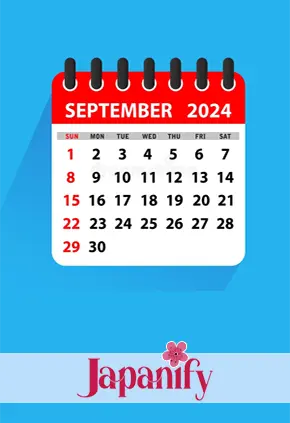
Day of Month日にち / か
Used for calendar dates (1st to 31st). First 10 days and
20th have special readings.
💡Tip: First 10 days and 20th have special readings.
ついたち (1st),
はつか (20th). 14th =
じゅうよっか, 24th =
にじゅうよっか.
わたしの たんじょうびは むいか です. (My birthday is on the
6th.)
はつか に かいものを します. (I go shopping on the 20th.)
1日
ついたち
1 Day of Month
2日
ふつか
2 Day of Months
3日
みっか
3 Day of Months
4日
よっか
4 Day of Months
5日
いつか
5 Day of Months
6日
むいか
6 Day of Months
7日
なのか
7 Day of Months
8日
ようか
8 Day of Months
9日
ここのか
9 Day of Months
10日
とおか
10 Day of Months
11日
じゅういちにち
11 Day of Months
12日
じゅうににち
12 Day of Months
13日
じゅうさんにち
13 Day of Months
14日
じゅうよっか
14 Day of Months
15日
じゅうごにち
15 Day of Months
16日
じゅうろくにち
16 Day of Months
17日
じゅうしちにち
17 Day of Months
18日
じゅうはちにち
18 Day of Months
19日
じゅうくにち
19 Day of Months
20日
はつか
20 Day of Months
21日
にじゅういちにち
21 Day of Months
22日
にじゅうににち
22 Day of Months
23日
にじゅうさんにち
23 Day of Months
24日
にじゅうよっか
24 Day of Months
25日
にじゅうごにち
25 Day of Months
26日
にじゅうろくにち
26 Day of Months
27日
にじゅうしちにち
27 Day of Months
28日
にじゅうはちにち
28 Day of Months
29日
にじゅうくにち
29 Day of Months
30日
さんじゅうにち
30 Day of Months
31日
さんじゅういちにち
31 Day of Months
?日
なんにち
How many day of months?
Times (Occurrences)回かい
Used for counting number of times an action occurs.
💡Tip: Same readings as 階 (floors) but
different meaning. 1 time = いっかい, 6
times = ろっかい.
にかいめの デート (second date)
もういちど いってください. (Please say it one more time.)
1回
いっかい
1 time
2回
にかい
2 times
3回
さんかい
3 times
4回
よんかい
4 times
5回
ごかい
5 times
6回
ろっかい
6 times
7回
ななかい
7 times
8回
はっかい
8 times
9回
きゅうかい
9 times
10回
じゅっかい
10 times
20回
にじゅっかい
20 times
?回
なんかい
How many times?
Age歳 / 才さい
Used for expressing age (years old).
💡Tip: 1 = いっさい, 8 =
はっさい, 10 =
じゅっさい. 20 years old is special:
はたち.
わたしは にじゅうごさい です. (I am 25 years old.)
かのじょは はたち です. (She is 20 years old.)
1歳 / 才
いっさい
1 year old
2歳 / 才
にさい
2 years old
3歳 / 才
さんさい
3 years old
4歳 / 才
よんさい
4 years old
5歳 / 才
ごさい
5 years old
6歳 / 才
ろくさい
6 years old
7歳 / 才
ななさい
7 years old
8歳 / 才
はっさい
8 years old
9歳 / 才
きゅうさい
9 years old
10歳 / 才
じゅっさい
10 years old
?歳 / 才
なんさい
How many years old?
Ordinal目め
Attach to numbers to make ordinal numbers (first, second,
third __ ).
💡Tip: Attach 目 (め) to any number to
make it ordinal.
一番目 (いちばんめ) also works.
にばんめの えき (the second station)
さんかいめの ちょうせん (the third attempt)
1目
いちめ
1 ordinal
2目
にめ
2 ordinals
3目
さんめ
3 ordinals
4目
よんめ
4 ordinals
5目
ごめ
5 ordinals
6目
ろくめ
6 ordinals
7目
ななめ
7 ordinals
8目
はちめ
8 ordinals
9目
きゅうめ
9 ordinals
10目
じゅうめ
10 ordinals
?目
なんめ
How many ordinals?
Page 1 of 1